Last updated: September 10, 2026
Key Takeaways
- Aerobic spray systems do not fail in one neat way.
- A dead compressor can make a healthy spray field look like the real problem.
- A stuck float can mimic pump failure.
- If a price seems very low, ask what is not included.
Quick Answer
In Austin-area service calls, a typical aerobic septic spray system repair usually takes 1 to 4 hours and often begins with a diagnosis fee of about $125 to $250. A competent repair visit checks power, air, floats, pumping, spray heads, and site conditions before anyone replaces parts. For safety and local rules, consult a licensed septic professional and the Texas Commission on Environmental Quality (TCEQ).
If your aerobic septic spray system is sputtering, staying on too long, or leaving wet spots in the yard, a technician’s job is to figure out whether the problem is electrical, mechanical, biological, or in the spray field itself. That is the real question behind this aerobic septic spray system repair service: what gets checked, what it costs, and how fast it can be fixed before the system starts backing up or surfacing effluent. Straightforward? Not always.
For homeowners in Austin, Cedar Park, Round Rock, Pflugerville, Buda, Kyle, and nearby Hays and Travis County areas, that question matters even more because Central Texas soils, summer heat, and sudden downpours can turn a small fault into a bigger repair. I’ll spell out what a competent repair visit should include, what usually drives price, and which warning signs mean you should call sooner rather than later.
What technicians check first on an aerobic septic spray system
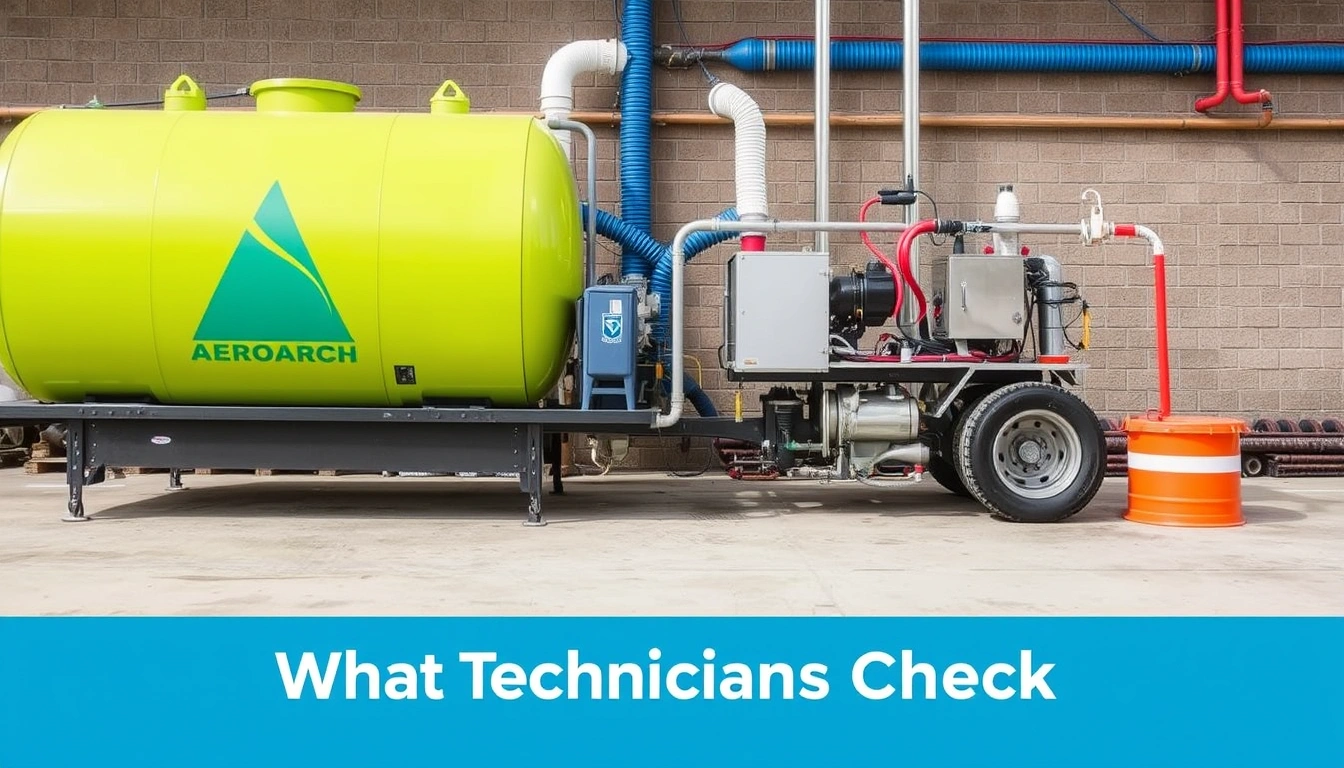
First up: is the system actually aerating, pumping, dosing, and spraying in the right order? On a typical aerobic treatment unit with a spray field, the service call starts at the control panel, the air pump or compressor, the float switches, the pump tank, the spray pump, and the spray heads. For a safe diagnostic sequence, consult a licensed septic technician and follow the system manufacturer’s manual.
A proper check usually includes:
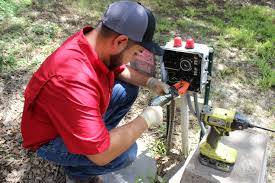
- Electrical power and controls: breaker, GFCI, timer, alarm light, and the panel logic
- Air supply: compressor operation, air lines, diffuser condition, and any signs of overheating
- Pump performance: whether the effluent pump is moving water at all, and whether it is short-cycling
- Float switches: stuck, waterlogged, miswired, or out of position
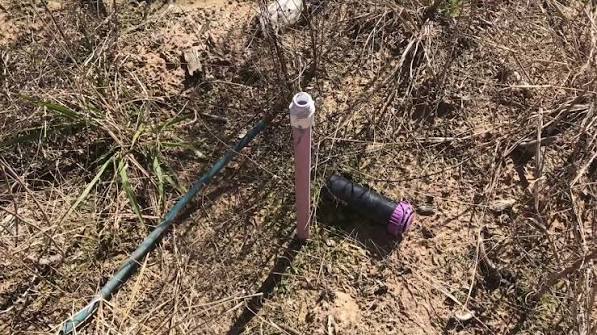
- Spray heads and nozzles: clogging, broken risers, poor arc, or uneven distribution
- Tank levels and sludge buildup: high solids can overload the whole system
- Odor, color, and clarity: dark, smelly, or greasy effluent can signal process trouble
Skip those basics and jump straight to a pump swap? That’s a red flag. A dead compressor can make a healthy spray field look like the real problem. A stuck float can mimic pump failure. The sequence matters.
What a repair visit should include in Travis and Hays County
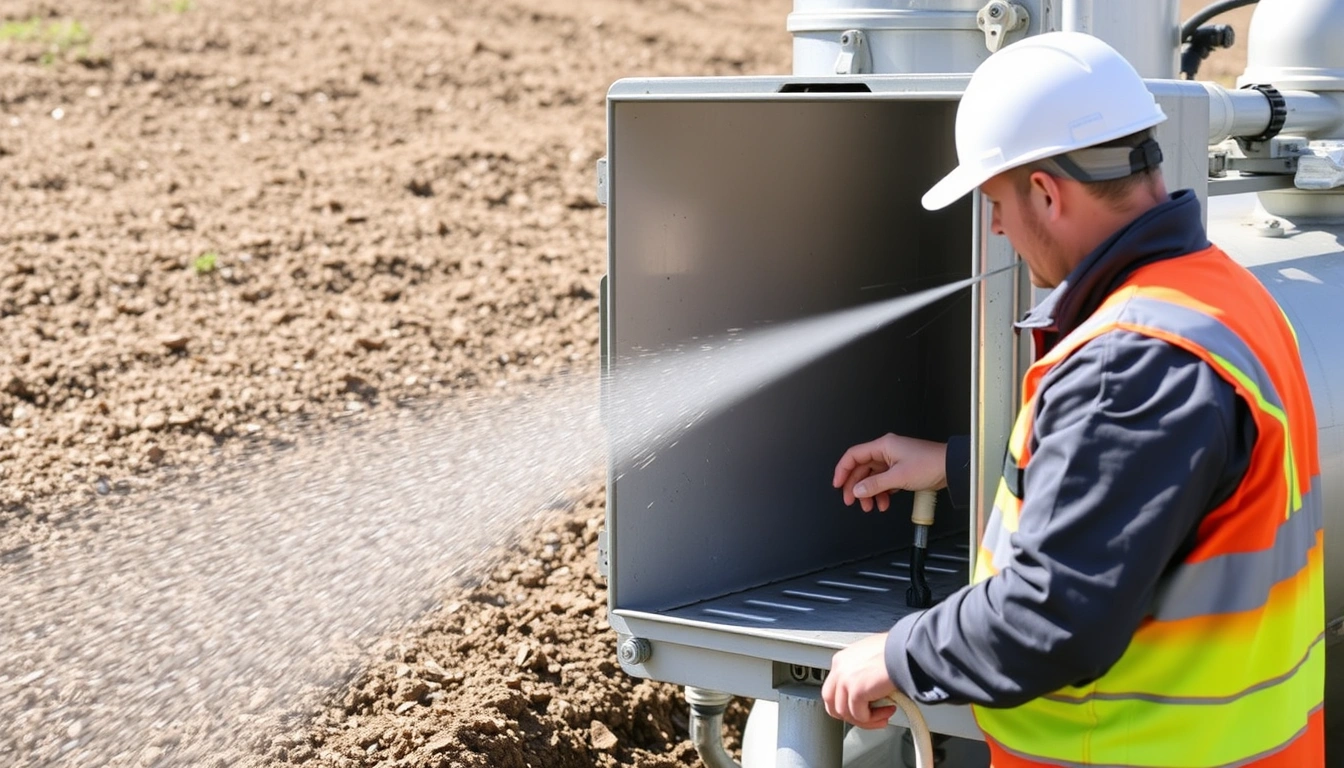
A repair visit should cover both the treatment unit and the spray area, because in Austin-area clay soils and caliche pockets, trouble often shows up in the yard even when the root cause is inside the tank. In Travis and Hays County, a technician should look at the spray field, the tank, and the site together. For a safe diagnosis, consult a licensed septic professional, especially after heavy rain.
On a good service call, technicians also check:
- Spray pattern and overspray: whether heads are misting onto fences, sidewalks, driveways, or neighboring property
- Pressure at the spray line: enough pressure to distribute effluent, but not so much that heads mist badly
- Backflow and check valves: failed valves can let liquid drain back into the tank
- Filters and screens: clogged filters cause low flow and pump strain
- Freeze risk in shallow lines: less common than up north, but still relevant during hard Central Texas cold snaps
- Surface ponding and runoff paths: especially after storms in low spots
If your property sits on a slope in Dripping Springs, Lakeway, Liberty Hill, or Westlake, the technician should pay close attention to runoff and drainage. And if the spray field is too close to a low area, a trench, or a retaining wall, the visible symptom may be water pooling rather than a direct spray failure.
Aerobic septic spray system repair costs in Austin-area service calls
Aerobic septic spray system repair costs in Austin usually depend on whether the technician is diagnosing one part, replacing one part, or correcting a larger process failure. A simple service call is cheaper than a full component replacement; a system with repeated alarms, clogged spray heads, and heavy solids in the tank will cost more than a one-part fix.
Here is a practical local-style range to expect for common repair categories:
| Repair or service item | Typical price range in the Austin area | What changes the price |
|---|---|---|
| Service call and diagnosis | $125–$250 | Travel distance, after-hours work, complexity |
| Float switch replacement | $150–$350 | Number of switches, access difficulty |
| Air pump or compressor repair | $200–$600 | Parts availability, brand, motor condition |
| Effluent pump replacement | $400–$900 | Pump size, tank access, wiring work |
| Spray head cleaning/replacement | $100–$300 | Number of heads, clogging, broken risers |
| Control panel repair | $250–$800 | Relay, timer, alarm, or wiring issues |
| Tank pumping related to repair | $300–$700 | Tank size, solids load, septic truck access |
| Line flushing or filter service | $150–$400 | Length of line, clog severity, filter type |
Those ranges are not a quote. They are a general guide for Travis County and nearby Williamson or Hays County service areas. A real estimate depends on access, parts, labor, and whether the technician finds one fault or three. If a price seems very low, ask what is not included. If a price seems very high, ask whether the estimate includes tank pumping, electrical correction, or replacement parts.
A few things push cost up fast:
- Hard-to-reach tanks or spray fields
- Older equipment with discontinued parts
- Waterlogged tanks after heavy rain
- Poor access for a service truck
- Electrical damage from lightning or surges
- Multiple failed components at once
If you live outside the dense Austin core, in places like Manor, Elgin, San Marcos, Dripping Springs, or Lago Vista, travel time can also affect the total. Some contractors fold that into the service call. Others don’t.
How climate and local ground conditions change the job
Central Texas heat, clay, and storm runoff change both the diagnosis and the repair. In Austin, the soil often holds water near the surface after rain, then dries and cracks in summer. That cycle can affect drainage around the spray field, stress pipes, and make a problem seem intermittent.
Technicians working in this area should be thinking about:
- Heavy clay or caliche that limits drainage
- Severe summer heat that can stress pumps and control panels
- Sudden rain events that flood low spots and obscure spray-field problems
- Tree roots and rock that can pinch or break lines
- Long dry periods that can leave grass cover thin around the spray zone
A spray head issue isn’t always “just a clog.” In a flat, compacted lot in Pflugerville or Buda, poor distribution can be a design-and-site issue as much as a repair issue. In a wooded lot west of Bee Cave or Lakeway, roots and uneven grade can make repairs more tedious and more expensive. Ugly little surprises, honestly.
The local angle also matters for timing. After a week of rain, many systems get overloaded. After a long heat wave, electronics and compressors can fail harder. A technician who works the Austin metro should be comfortable reading both the tank and the site.
How to vet a contractor for aerobic septic spray system repair in Austin
The right contractor should explain exactly which component failed, what was checked, and why the fix is the least risky option. I’d ask for that before approving any repair above a basic service fee.
Good questions to ask:
- What did you check first: compressor, floats, pump, or spray heads?
- Did you test the control panel and alarm circuit?
- Did you inspect the spray field for ponding, clogged nozzles, or pressure loss?
- Is the estimate for diagnosis only, or does it include parts and labor?
- Will this repair require pumping the tank or scheduling electrical work?
- How long should the system be out of service?
For a local contractor, the answer should sound specific, not generic. If you are in Austin proper, Round Rock, Cedar Park, or Kyle, the technician should be able to talk about access, travel, soil, and local system layouts without hand-waving.
I would be cautious with anyone who promises a fix without seeing the panel, the pump tank, and the spray field. Aerobic spray systems do not fail in one neat way. They often fail in two or three linked places. That’s why a shallow inspection can waste money.
It also helps to know the limits of the work. Some contractors handle mechanical repair but not electrical panel rebuilding. Some can replace pumps but do not service all brands of control panels. Others can clear spray heads but cannot correct a failed treatment process. A good firm will say where its scope ends. That honesty beats a broad claim.
For guidance on on-site wastewater systems, I would also look at the Texas Commission on Environmental Quality (TCEQ) and the Texas On-Site Wastewater Treatment Research Council. If the system has a permit issue or a design question, those are the kinds of bodies that shape how the work should be done. The TCEQ publishes rules and guidance for on-site sewage facilities, and the Texas On-Site Wastewater Treatment Research Council supports research and education for the field.
Red flags: quotes and repair results that should worry you
A quote should worry you if it does not name the failed part, the labor involved, and whether pumping or electrical work is part of the job. A bad repair also leaves clear physical signs within a day or two.
Watch for these red flags:
- Persistent alarm after the visit
- Spray heads still clogging within a week
- Wet ground or standing water around the spray area
- Pump running constantly or not cycling normally
- Strong sewage odor near the tank or yard
- New loud compressor noise or overheating
- Effluent surfacing in the yard after rain
If the technician replaced one part and the alarm returns, the underlying issue may be sludge, float placement, wiring, or a failing control board. If the spray field still looks uneven, the pump may be weak or the nozzle pattern may be wrong. If the system smells bad after repair, the biological treatment side may not be processing correctly.
This is also the point where a cheap fix can become expensive. A contractor who only clears a spray nozzle without checking sludge levels may leave you with a recurring problem. A contractor who swaps a pump without checking the control panel may return for the same fault. I’d rather pay for a careful diagnosis once than pay twice for partial work.
How long the repair usually takes
Most aerobic septic spray system repairs take 1 to 4 hours if the problem is straightforward, and longer if parts need to be sourced or the tank needs pumping. A same-day visit is often possible for alarms, failed pumps, or obvious spray-field issues, but not every part is on the truck.
A basic sequence often looks like this:
- Diagnosis: 30 to 60 minutes
- Simple repair or cleaning: another 30 to 90 minutes
- Component replacement or tank service: 1 to 3 additional hours
- Retest and observation: 15 to 30 minutes
If the unit is older, if the control panel is damaged, or if the spray field is saturated after rain, the job can stretch into a second visit. In Austin and the surrounding service area, that is normal. Rushing the repair is what creates repeat failures. Slow is better here.
What to ask before you book service
Before you book, ask three plain questions: What is the likely problem, what is the price range, and can you come today if the alarm is on? Those questions tell you a lot faster than a long sales pitch.
I would also ask whether the contractor serves your part of the metro, especially if you are outside central Austin in Cedar Park, Round Rock, Georgetown, Buda, Kyle, San Marcos, or Lago Vista. Some service calls are limited by travel time and parts inventory. Others are not.
A good local answer should include:
- The diagnosis fee
- The likely repair range
- Whether tank pumping may be needed
- Whether the system can stay in use while waiting
- How soon they can return if a part is ordered
If you get a vague answer like “we’ll figure it out when we get there,” that may be fine for an emergency, but it is not enough for a planned repair.
FAQ: what people ask before scheduling aerobic septic spray repair
Can this be fixed the same day?
Yes, many straightforward repairs can be handled the same day if the issue is a float, spray head, filter, or basic pump problem, but parts delays can push the job to 24 to 72 hours.
Do you need to pump the tank first?
Sometimes, yes. If sludge is high or the pump chamber is overloaded, pumping may be part of the repair rather than a separate service.
How do I know if it is an emergency?
Treat it as urgent if the alarm is on, sewage is surfacing, the spray field is soaked, or the house is backing up. Those are not wait-and-see symptoms.
Can I get a free estimate?
Some contractors offer free estimates for non-emergency work, but many charge a diagnosis fee for septic systems because testing the panel, pump, and spray field takes time.
What is the worst mistake a homeowner can make?
The worst mistake is ignoring a repeated alarm or flooding spray field, because that usually turns a component repair into a larger system problem.
Who this is not for: if you are only looking for a cosmetic clean-up of the yard, not the actual system fault, this service is the wrong match. Aerobic spray repair is about diagnosing the unit, the pump, the controls, and the field so the problem does not come back in 3 days or 3 weeks.
For homeowners in Austin and the surrounding Hill Country suburbs, the right repair service is the one that checks the whole chain: power, air, pumping, floats, spray pattern, and site conditions. That’s how aerobic septic spray system repair stays a repair instead of becoming a repeat problem.