Last updated: September 10, 2026
Key Takeaways
- A 120-volt effluent pump can fail while the aerator keeps running.
- Verify normal cycling over the next 15 to 30 minutes.
- This takes about 10 to 15 minutes if the panel is accessible and you do not have to hunt for buried lids.
- In cold climates, a line can freeze for 6 inches or more near the surface, especially if the pump cycles infrequently.
An aerobic septic system not pumping usually points away from the tank itself and toward a pump, float, control, clog, or power issue between the treatment tank and the drain field or spray heads. I’m writing for a homeowner who already knows where the aerobic unit, pump tank, and breaker are, and who can safely inspect visible parts without opening any confined space. Strong sewer gas? An alarm that won’t reset? Wastewater surfacing? Stop there. Call a licensed septic contractor or electrician; those are not “wait and see” problems. For septic-system basics, see the U.S. EPA overview of aerobic treatment units and onsite wastewater care: https://www.epa.gov/septic.
What “not pumping” usually means in an aerobic system

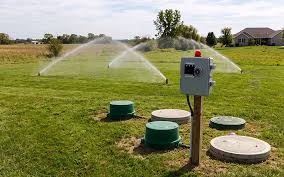
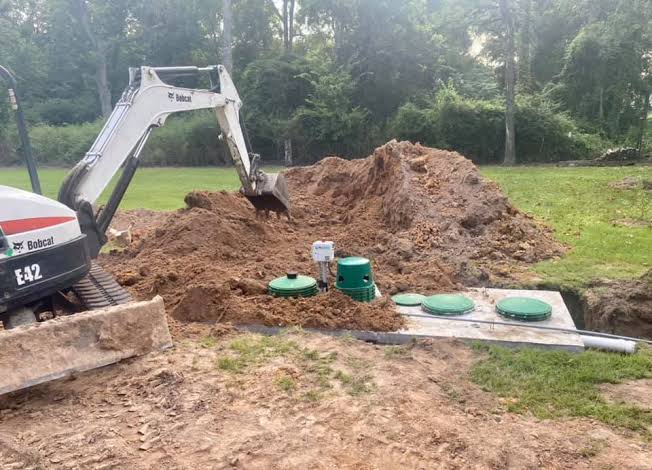
“Not pumping” usually means the pump chamber is not moving effluent out on schedule, or it is moving so little that the system backs up. In most residential aerobic systems, the aeration tank treats the wastewater, then a separate pump tank sends clarified liquid to a spray zone or drain field. Electrical, mechanical, or hydraulic trouble can each cause the same symptom; the repair depends on which side failed. For system components and operation, see the U.S. EPA septic guidance above.
I’m being specific because “the septic is broken” is too fuzzy to help. A 120-volt effluent pump can fail while the aerator keeps running. A float switch can stick even when the pump is fine. A breaker can trip after a lightning strike or overload. And a clogged discharge line can make a good pump look dead because the water has nowhere to go.
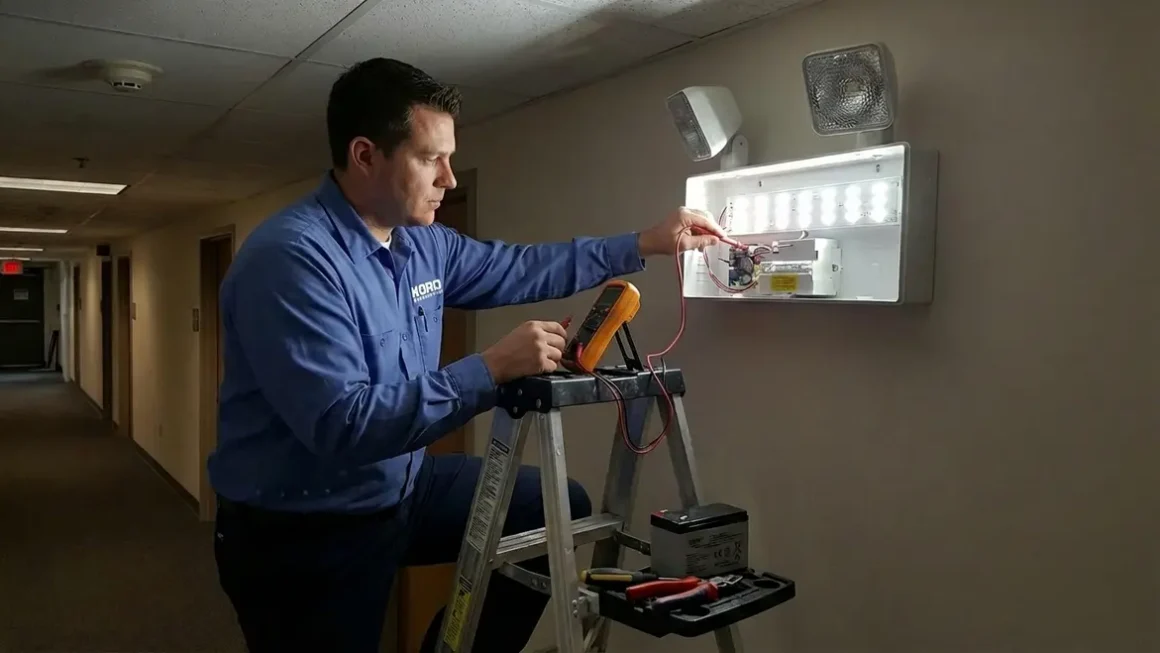
Here’s the scope I’d use: a normal residential aerobic system with a separate pump chamber, working alarms, accessible breaker, and no need to enter a tank. I would not call this a DIY job if the unit has exposed live wiring, a failed control panel, a sewage overflow, or signs of a collapsing tank lid. Those are qualified-help situations, not wrench-and-guess situations. For electrical safety, the National Fire Protection Association’s guidance on breakers and shock hazards is a useful reference: https://www.nfpa.org/.
Two terms matter. An effluent pump usually moves partially treated liquid out of the tank, but verify your model’s manual or a septic professional’s diagnosis because layouts vary. A float switch is a level-sensing switch that turns the pump on and off as the water rises and falls. If either one fails, the system can stop pumping even though the rest of the aerobic process still looks normal. Simple, but not trivial.
What to check before you touch anything
The quickest fix is often not the pump, so I would check four things first: power, alarms, visible water level, and the control panel. This takes about 10 to 15 minutes if the panel is accessible and you do not have to hunt for buried lids.
Start with the alarm. If the audible alarm is sounding, that usually means the water level in the pump tank is too high or the control system is seeing a fault. Silence after you press reset is not proof the problem is gone; it may simply mean the breaker tripped or the float dropped temporarily. Next, look at the breaker panel. Many aerobic systems use a dedicated 15-amp or 20-amp circuit, often labeled for septic, pump, or aerator. If the breaker trips once, reset it one time only. If it trips again, stop. Repeated tripping means an electrical short, seized motor, or overloaded circuit.
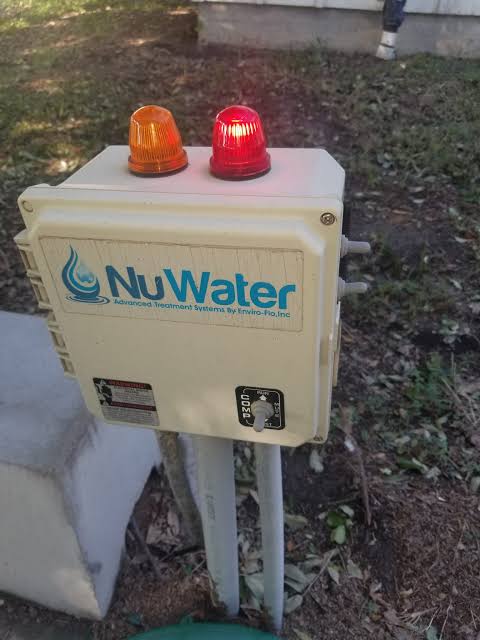
Then inspect the control panel, if your system has one. Many panels have indicator lights for power, pump, aerator, and alarm. A dead panel with no lights points to loss of power upstream. A panel showing aerator operation but no pump response points more specifically to the pump circuit, float, or relay. If the panel is not weatherproof, do not open it in rain.
Finally, check the liquid level in the pump tank only if the lid is safe and designed for access. High water in the tank with no pumping usually means the pump is not starting, the float is stuck, or the discharge line is blocked. Normal or low water with no pumping suggests a control issue, a dry pump, or a failed schedule/relay rather than a true backup.
What I would not do here is assume a clog, dump chemicals down the drain, or keep resetting the breaker. Those moves waste time and can make a repair more expensive.
Why is my aerobic septic system not pumping?

The most common reasons are a bad float switch, a failed pump, a tripped breaker, a clogged discharge line, or a control panel relay problem. Less often, the issue is a stuck check valve, a low water condition, or a pump chamber full of sludge that should have been pumped earlier.
Here is the order I’d work through it.
- Confirm power at the dedicated breaker. Turn the breaker fully off and back on once, using a 15-amp or 20-amp circuit if that is what the panel uses. Verify that the control panel lights come back on and the alarm clears or changes state. A problem remains if the breaker trips again immediately or the panel stays dark.
- Check the float switch travel. Lift and lower the pump float by hand if it is accessible and the manufacturer allows it. It should move freely through its range, usually several inches, without snagging. Verify you can hear the pump start when the float rises. If the float sticks, hangs on a pipe, or never changes the pump state, that is a failed or mispositioned float.
- Listen for pump motor sound. A healthy pump usually hums or runs with a steady sound when energized. Verify whether the motor is silent, humming without moving water, or running rough. Silence with power present can mean a bad motor, relay, or wiring break; humming without flow can mean a jammed impeller.
- Inspect the discharge line and check valve. If the system has visible piping, look for kinks, frozen sections, or a check valve stuck closed. The line should pass water without backflow. If you see a full line that never clears, or the pump runs but nothing reaches the spray area, suspect a blockage downstream.
- Look for solids in the pump chamber. The chamber should not be packed with sludge. Verify that the liquid is mostly clarified and that scum is not floating into the pump intake. If the chamber is thick with solids, the pump may be clogged or damaged, and the tank likely needs service.
- Test whether the alarm follows the water level. If the water rises above the float and the alarm sounds, then drops after the pump kicks on, the system is working intermittently. If the alarm stays on with a low water level, the float or control board may be faulty.
- Reset the control panel only once after correcting a visible fault. Use the reset button or breaker after you have identified and fixed the obvious issue. Verify normal cycling over the next 15 to 30 minutes. If the same fault returns, do not keep cycling power; that points to an unresolved electrical or mechanical failure.
- Check the spray heads or field outlet for obvious blockage. If the pump runs but the effluent never appears where it should, the problem may be beyond the tank. Verify that no head is buried, capped, or clogged with scale. If pressure is present but distribution is blocked, the fix is in the line or field, not at the tank.
The key judgment is whether the pump is failing to start, starting but not moving liquid, or moving liquid to the wrong place. Three different repairs. A homeowner can often identify which category applies. Replacing a pump motor, rewiring a control panel, or pulling a submersible pump from a tank is where I would stop and hand it to a qualified septic technician.
The mistakes people actually make, and what they cost
The most common mistake is resetting the breaker over and over. That can overheat a failing motor or mask a short long enough to burn the control relay. The right move is one reset only, then diagnosis.
A second mistake is blaming the alarm box and ignoring the float. A float switch can hang on a pipe, get wrapped in algae, or stick from grease buildup. If the float is the real problem, swapping a control panel does nothing and the backup gets worse.
A third mistake is running water while the system is already high. Extra laundry, long showers, or a dishwasher cycle can push a marginal pump chamber into overflow. The cost is a backup into the house or surfacing in the yard. Better to cut water use immediately until the cause is clear.
A fourth mistake is flushing so-called septic additives or antibacterial chemicals in hope of “clearing” the problem. Those products do not fix a dead pump, and some can worsen treatment by disturbing the bacterial balance in the aerobic tank. The correct alternative is mechanical diagnosis, not chemistry. For more on additives and system care, see the EPA septic guidance and local health department recommendations.
A fifth mistake is opening a tank lid without checking for safety. A concrete or plastic lid can be heavy, brittle, or improperly secured, and the tank opening can expose you to electrical parts and sewer gases. If the lid is not clearly designed for homeowner access, stop and get help.
A sixth mistake is assuming “aerobic” means the system should never have solids. Aerobic units still need periodic pumping, and sludge can still reach the pump chamber if maintenance has been skipped. A pump that keeps clogging may be telling you the tank has not been serviced on schedule. Your local health department or pump contractor can confirm the right service interval for your model. Messy, yes. Optional? No.
When should I stop troubleshooting and call for help?
Stop when the failure points to electricity, sewage surfacing, or a submerged pump that needs removal. Those are not good DIY places to improvise.
The breaker trips twice: that usually means a short, seized motor, or damaged wiring — stop and call a septic tech or electrician before you keep resetting it.
The alarm stays on after the float is free and the water level is normal: the control board or relay may be faulty — do not keep cycling power; get the panel checked.
Wastewater is surfacing in the yard or backing into the house: the system is overloaded or blocked and can cause sanitary damage — stop using water and arrange service the same day.
You hear a loud hum but no pumping starts: the motor may be jammed or failing under load — continued power can burn it out, so shut it off.
The lid is not clearly safe, or the chamber may contain exposed wiring: the access hazard is real — do not open it further; let a qualified technician handle it.
The discharge line is frozen, buried, or not visible: the blockage is outside simple homeowner inspection — the fix may require thawing, tracing, or pressure testing, which belongs with service equipment.
I’m also cautious when the unit has a history of repeated float failures, frequent pump clogging, or a recently replaced control panel that did not solve the issue. That pattern usually means the original problem was misdiagnosed, and guessing again just adds cost.
Edge cases: when the standard fix is not the right fix
Not every “not pumping” complaint is a bad pump. In cold climates, a line can freeze for 6 inches or more near the surface, especially if the pump cycles infrequently. Then the pump may be fine, but the discharge path is blocked by ice. The right response is thawing and insulation correction, not pump replacement.
If the system has been idle for a vacation home or seasonal property, a dry pump chamber or stale sludge can change how the float and motor behave. After long idle periods, I would inspect the chamber, test the floats, and verify the discharge line before assuming the motor failed.
If the aerobic unit uses a timed dose cycle instead of a simple float-on/float-off setup, the pump may not run continuously when you expect it. Some panels send effluent in measured doses. In that case, “not pumping now” may be normal if the level has not reached the trigger point or the timer has not called for a cycle.
If the drain field or spray heads are restricted, the pump can still run while the system appears not to pump effectively. That is a pressure and distribution problem, not a motor problem. The symptom is a wet spot, weak spray, or water that returns to the tank too fast.
If the pump is submersible and has been running dry, the impeller and seals can overheat. That changes the repair because a dry-run event can damage a pump that otherwise would have lasted longer. A pump that ran dry for even a short period is often not worth a simple reset.
What a good repair looks like
A good repair restores the system to predictable cycling, not just a one-time pump start. The alarm stays off under normal use, the breaker holds, the float rises and drops cleanly, and effluent reaches the spray area or drain field without surging or backing up. On a healthy residential system, a pump cycle should be quiet enough that you hear flow more than strain.
I would expect the homeowner to keep using water normally only after the system has completed at least one full cycle without the alarm returning. If the system needs repeated manual resets to work, that is not a repair; it is a temporary workaround.
The wrong kind of “fix” is the one that makes the pump run once but does not solve the cause. A replaced fuse, jumped float, or bypassed alarm can hide a real failure and create a much larger cleanup job later. That is why I favor identifying the failure mode first: power, float, pump, line, or field. Once you know which one it is, the repair is usually straightforward. For longer-term care, the EPA septic guidance above is a good starting point.
FAQ
Can I just replace the float switch myself?
Sometimes, yes, if the float is externally accessible, the panel is clearly labeled, and you can disconnect power first. If the float is inside a chamber with live wiring or tied to a control board you cannot identify, I would not treat it as a simple swap.
What if the pump hums but nothing moves?
That usually means a jammed impeller, seized motor, or blocked discharge line. Turn the system off and have it checked before the motor burns out.
How long can I wait if the alarm goes off?
Not long. If the alarm is active and the water level is rising, cut water use immediately and inspect the basic power and float issues. If the level keeps climbing, get service