Last updated: September 10, 2026
Key Takeaways
- Verify the red alarm light turns off and stays off for at least 5 to 10 minutes.
- That precheck takes 5 minutes and saves a lot of false confidence.
- If you treat the buzzer as the problem, you can get the same alarm back in under 24 hours; if that happens, consult a licensed septic professional.
- I’d budget 10 to 20 minutes when the issue is minor and the panel is easy to reach. Not bad.
Table of Contents
- Who this applies to — and who should do something else
- What the alarm is actually telling you
- How do I reset an aerobic septic alarm safely?
- What should I check before resetting it?
- When should I stop and call for service?
- The mistakes that turn a simple reset into a bigger repair
- What if the alarm comes back after I reset it?
- FAQ
Need how to reset an aerobic septic alarm safely? Start with the cause, fix it, then clear the alarm at the control panel only after the tank is back in normal operation. I’m assuming a homeowner who already knows where the alarm box sits, has the property manual if one exists, and can tell a warning buzzer from a tripped breaker. Smell sewage indoors? See wastewater surfacing? Or does the alarm stay on after a basic reset? Stop there and call a licensed septic contractor or the system installer; that is no place for guesswork. For background on septic alarm and maintenance basics, see the U.S. EPA’s septic system guidance.
Who this applies to — and who should do something else
This applies to a conventional aerobic treatment unit with an alarm panel, float switches, a pump, an air blower, or some combination of those parts. In plain English, an aerobic septic system uses oxygen and mechanical components to treat wastewater before it’s discharged. The reset I’m discussing is the alarm acknowledgment at the control panel, not a fix for the underlying fault; steps differ by manufacturer, so check the unit manual or call a licensed technician if the labels are unclear.
You should already know where the alarm box is, be able to read the panel labels, and have safe access to the yard tank lid without entering any confined space. For a homeowner, 10 minutes is reasonable when the problem is obvious and minor: a brief power interruption, a pump that cycled off, a float that stuck and then freed, or a high-water alarm that cleared after the level dropped. The EPA notes that septic systems need regular inspection and maintenance, and state guidance often says to check the alarm before assuming anything is cured.
Not for this job: a breaker that keeps tripping, a blower that’s silent, effluent backing up, or a need to open the tank lid to “check the float.” Tank lids, wet surfaces, and electrical parts are a bad mix. Honestly, I’d also stop if the panel is unlabeled or the system is older and the alarm is tied into a remote monitoring unit you do not understand. That kind of setup can bake in a manual reset and a service call requirement.
One more line matters. Resetting an alarm does not repair a failed pump, dead blower motor, clogged diffuser, stuck float, or flooded disposal field. It only clears the warning after the cause is handled. Treat the buzzer as the issue, and you can usually hear it again within 24 hours.
What the alarm is actually telling you
Usually, the alarm is warning about one of four conditions: high water, pump failure, blower failure, or power loss. In aerobic systems, “high water” means the liquid level in the tank has risen above the normal operating range, often because the pump did not move effluent fast enough. A “float switch” is the mechanical switch that rises and falls with water level and tells the panel when something is wrong.
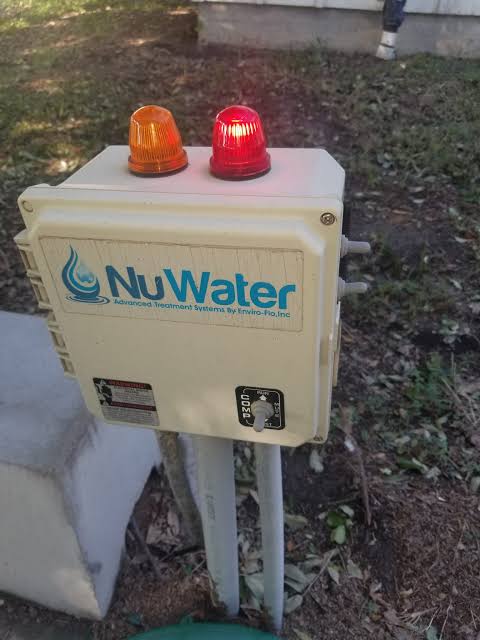
Most panels use a red light, an audible buzzer, and sometimes a silence or reset button. Some have separate indicators for pump, aerator/blower, and high-water conditions. The labels vary by manufacturer, but the logic stays similar: the alarm remains active until the panel sees a normal condition again. On many control boxes, the silence button stops the buzzer for a while; it does not fix the fault. Simple, but not magical.
The big mistake is assuming the alarm is false because the house still drains fine. A septic system can be in trouble while toilets flush normally, especially if a pump is failing slowly or a float is hanging up on and off. Another easy trap is resetting after a power outage without checking whether the breaker or GFCI is still off. No power, no useful reset.
I’d take the cautious route here. After a thunderstorm, flooding, or a long outage, wait until the system is visibly dry around the control box and the breaker is stable before touching anything. Water and electricity do not care about hurry.
How do I reset an aerobic septic alarm safely?
Clear the cause first, then use the panel controls in the right order. Plan on 10 to 20 minutes if the problem is minor and the panel is easy to reach. Bring a flashlight, dry gloves, and the system paperwork if you can find it.
- Listen and look before touching anything. Stand back 1 to 2 feet from the control box and note whether the buzzer is steady, intermittent, or silent with a red light on. Verify the panel has power by checking for any indicator light. A dead panel points to a breaker, fuse, or power supply issue, not a reset problem.
- Check the obvious household causes. Make sure the septic breaker has not tripped and that any dedicated GFCI outlet feeding the blower or pump is on. Reset only once. Also verify that indoor plumbing is not being run heavily while you check. If the breaker trips again immediately, that is a fault, not a nuisance alarm.
- Inspect the yard around the tank and spray area. Look for standing water, soggy soil, or sewage odor within about 10 feet of the tank or disposal field. Verify the alarm did not follow visible flooding or a failed drain field. If effluent is surfacing, do not reset and walk away; the system needs service.
- Confirm the panel’s alarm condition if the model allows it. Many panels label the issue as high water, pump, or blower. Read the door label or faceplate, then match the light to the fault. A specific fault light that stays on after power is restored points to the component, not the alarm horn.
- Silence the buzzer first if the panel has a mute button. Press and hold the silence button for the time shown on the panel, often 3 to 5 seconds. Verify that only the sound stops while the red warning light remains on if the fault still exists. If both light and buzzer vanish but the system has not recovered, the panel may have a sticky relay or a poor contact.
- Correct the underlying issue. Restore power, allow the pump or blower 1 to 5 minutes to cycle, and check for normal operation noises. For a high-water alarm, you want the level to drop below the float or sensor point. For a blower alarm, you want steady airflow from the aeration unit. If nothing changes, the alarm will come back.
- Use the reset control only after conditions normalize. Press the reset button once, or follow the panel label exactly. Some units require a momentary press; others use a silence/reset combination. Verify the red alarm light turns off and stays off for at least 5 to 10 minutes. If the buzzer returns immediately, stop and treat it as an active fault; consult the installer or a licensed septic contractor.
- Watch one full cycle. Let the system run through at least one normal pump or aeration interval, which may take several minutes. Verify the alarm remains quiet and no new warning light appears. If the alarm reappears after the next cycle, the problem is intermittent and needs repair, not another reset.
A good reset ends with a quiet panel, normal system cycling, and no visible signs of backup. A bad one is when the buzzer stops for a minute and then starts again, or when the warning light clears but the tank is still high. That means the alarm was silenced, not solved.
What should I check before resetting it?
Check power, water level, and the fault source before you press reset. That precheck takes 5 minutes and saves a lot of false confidence. The alarm panel is the messenger; the messenger is not the problem.
Start with the easiest item to verify: electrical supply. A tripped breaker, a blown fuse, or a GFCI outlet in the shed or garage can mimic a septic failure. If the blower or pump is on a dedicated circuit, reset it once and watch for a second trip. Two trips in a row usually mean a short, overloaded motor, or water intrusion.
Next, look for flooding around the tank or control area. After heavy rain, the system may alarm because the pump chamber filled with groundwater. Mashing the reset button won’t fix that. If you see water above normal grade around the lid or control box, wait for it to dry enough for safe access or call for service if the electrical parts are compromised.
Also check whether anything changed in the house. A long guest stay, laundry marathon, or plumbing leak can push the system harder than usual. Aerobic units can handle normal household flow, not a day of continuous discharge from a broken toilet flapper or a running water softener drain. If the alarm appeared after unusual water use, cut the flow back before resetting. For practical homeowner guidance, check your local health department or extension office, such as Texas A&M AgriLife Extension.
I’m not a fan of opening a tank unless the system manual explicitly tells you to do so and the lid is at grade with no confined-space risk. A homeowner can usually inspect the panel and yard conditions; climbing into the system is a different animal.
When should I stop and call for service?
Stop when the alarm points to a live electrical, hydraulic, or sewage problem. These are the moments when a reset is the wrong tool and can waste time or hide a worsening fault. If the issue is unclear, call a licensed septic professional instead of repeating the reset.
The breaker trips twice: That usually means a shorted blower, pump issue, or moisture in the circuit — leave it off and call a septic electrician or installer.
Wastewater is surfacing in the yard: The disposal field or pump side is failing, and the system is not treating or dispersing effluent safely — stop using water and get service the same day.
The panel shows a blower fault after power is restored: The aeration component may not be moving air, which can stall treatment quickly — do not keep resetting; the blower or its capacitor may need repair.
The high-water alarm returns within 5 to 10 minutes: The pump is not evacuating the chamber or the float is stuck — avoid further resets and have the pump, float, and control circuit checked.
You smell strong sewage near the tank, field, or inside the house: That suggests a backup, venting problem, or dangerous exposure — stop using water and call for help.
The control box is wet, corroded, or insect-damaged: Moisture inside the panel can cause shock risk and false signals — do not touch it beyond a visual check.
If you’re unsure, I’d rather see one service call than three resets. A qualified technician can check amp draw, float operation, blower output, and pump performance without guessing. The EPA recommends regular inspection and maintenance, and many state programs say repeated alarms need professional diagnosis.
The mistakes that turn a simple reset into a bigger repair
Biggest mistake? Resetting before identifying the fault. That eats time, hides the symptom, and can let a chamber overfill for another hour or two. Read the light, check the breaker, and inspect for water or odor first.
A second mistake is assuming silence means fixed. On many panels, the silence button only mutes the buzzer for a set period, often a few minutes to an hour depending on the unit. The light can stay on, and the problem can still be active. If the buzzer goes quiet but the warning light remains, you have not reset the system.
A third mistake is cycling the breaker repeatedly. That can damage the blower motor, pump, or control board, and it can also hide whether the fault is in the circuit or the load. One reset is enough for a check. After that, stop.
A fourth mistake is opening the tank lid without the right setup. Besides the obvious fall and exposure risk, you can disturb floats, pull up wiring, or create a hazard around methane and hydrogen sulfide. If the issue seems to require lifting a lid, that is usually where homeowner troubleshooting ends.
A fifth mistake is ignoring the weather. After major rain or flooding, the system may need time to normalize, or the field may be saturated. Resetting again and again does not dry the soil. The better move is to reduce water use and wait for service if the alarm persists.
What if the alarm comes back after I reset it?
If the alarm comes back after one proper reset, treat it as a real fault, not a stubborn button. A repeat alarm within the same day usually means the float is still seeing high water, the blower is weak or dead, the pump is not moving liquid, or the control circuit has an intermittent connection. In that case, a licensed technician should inspect the system instead of relying on another reset.
The usual move is to stop normal water use for a few hours if the alarm suggests a high-water condition, then check whether the level drops and stays down. If the alarm is tied to the blower, listen for the motor and look for a steady hum or airflow at the aeration unit. If the unit is silent, the problem is beyond reset territory.
Cold weather can change the picture. In freezing conditions, a float can stick and then free itself, or a discharge line can slow down. The reset procedure stays the same, but the threshold for calling service is lower because a freeze-related fault can turn into a burst pipe or a stalled pump.
Remote monitoring panels are another edge case. Some systems send an alarm to a phone app or monitoring service and then require both local and remote acknowledgment. If the panel has a communication light or cellular module, use the manual for that exact model. A local reset may clear the buzzer without clearing the report. That’s the sneaky part.
FAQ
Can I just press the reset button and be done?
No. Press reset only after the cause is cleared. If the high-water light, blower light, or breaker issue is still present, the alarm will usually return.
How long should I wait before resetting after a power outage?
Wait until power is stable and the panel has fully restarted, which is often a few minutes. If the breaker is still off or the panel is wet, do not reset yet.
Does a silent alarm mean the septic system is fixed?
No. Silence usually means the buzzer was muted. The red warning light, power issue, or fault condition can still be active.
Is it safe to open the tank lid to check the float?
Usually no for a homeowner. If the system requires lid removal or the lid is not at grade and secured, that is a service job.
What is the safest thing to do if I’m not sure?