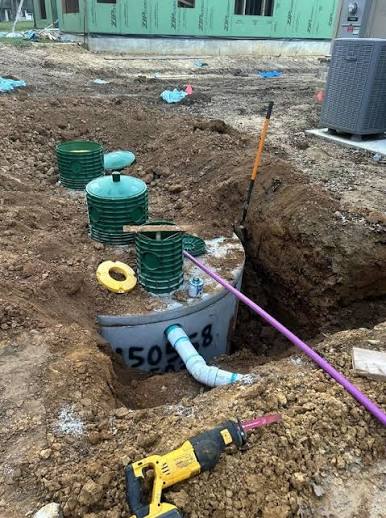
Last updated: September 10, 2026
Key Takeaways
- Scheduled maintenance is the correct alternative, often every 3 to 6 months for many units, depending on local rules and usage.
- A typical service visit often takes about 30 minutes to 2 hours, depending on how many tanks, pumps, filters, and dispersal components are involved.
- If a provider promises a meaningful inspection in 10 minutes, that is too little time for a mechanical wastewater system.
- Those are useful observations. Especially if I write down the date and what changed.
What is included in aerobic septic system service? Usually, it covers a tank inspection, pump and blower checks, filter cleaning, sludge and scum measurement, spray or drip line inspection, alarm testing, and a written report on what needs repair now versus later. Own an aerobic treatment unit? Then this is the maintenance that can help reduce odors, prevent alarm problems, and keep partially treated effluent from reaching the yard, though you should still consult a qualified septic professional for the exact service your model needs. See EPA guidance on onsite wastewater systems and your system manual for model-specific steps. EPA
What this service is for — and who it is not for

This service is meant for homeowners and property managers with an aerobic treatment unit, often called an ATU, plus a surface spray field, drip dispersal, or another pressure-distribution setup. It assumes the system is already installed, powered, and permitted, and that the owner wants to know what a routine service visit actually covers. It also assumes the reader understands the difference between an aerobic system and a conventional septic tank: an aerobic system adds air and mechanical parts to treat wastewater more aggressively, so it needs more attention than a plain tank. When in doubt, consult the unit’s manual or a licensed installer; state and local rules can change the required schedule. EPA
I would not call this a casual DIY job unless the reader is only handling the simplest owner tasks, like checking the alarm light or keeping the access lids clear. Anything involving opening tanks, testing electrical components, adjusting chlorine feed, cleaning spray heads, or pumping sludge belongs with a qualified septic service provider because a bad adjustment can damage the system or create a health hazard. On a system that serves a business, rental property, or any home under an HOA or local health department maintenance contract, service often must be documented by a licensed operator or approved technician, sometimes on a 6-month or 12-month schedule depending on the permit.
What people usually want answered here is simple: “What am I paying for when someone services my aerobic septic system?” The honest answer is inspection, cleaning, small corrections, and a decision about whether the system still has enough treatment capacity to keep working safely. Plain and simple.
What does aerobic septic system service include?
Aerobic septic system service includes checking the components that make the unit work, cleaning the parts that clog most often, and confirming the treated effluent is leaving the system the way it should. The exact checklist varies by brand and local rule, but a proper visit usually covers the treatment tank, air system, pumps, disinfection step, dispersal field, and alarms. For model-specific intervals and components, the manufacturer’s manual and local permitting authority are the best references. Texas A&M AgriLife Extension, EPA
First, the technician opens the access covers and looks at the condition of the tank, floats, baffles, outlet screen, and risers. Then they inspect the aerator or blower, because an aerobic system depends on a continuous oxygen supply. If the blower is weak, noisy, hot, or not moving air, the treatment process drops off fast. Many systems also have a control panel with an audible alarm; service should include a quick function test so the owner is not left guessing whether the alarm still works.
Cleaning is part of the visit too. Aerobic systems often have filters, screens, and spray nozzles that collect fine solids, grease, and mineral scale. A technician may rinse or brush those parts, clear clogged spray heads, and check the outlet filter. Some systems use chlorine tablets or another disinfectant before dispersal; service should include checking that the dispenser is feeding correctly and that tablets are not bridged, wet, or jammed.
A good service visit also includes measuring sludge and scum levels. Sludge is the settled solid layer at the bottom of the tank; scum is the floating layer near the top. If those layers get too thick, they can move downstream and foul pumps, filters, and spray lines. The technician may also check for odors, wet spots, unusual algae growth, uneven spray patterns, or a pump that cycles too often.
If the system includes a pump tank, service should include checking pump float switches, checking the pump chamber for debris, and confirming that the pump actually moves water to the dispersal area. In some setups, the service provider will run a brief hydraulic test, usually by observing one or two pump cycles, to confirm the dose size and timing look normal. Not glamorous. But necessary.
The final piece is the report. That should tell you what was serviced, what was replaced or cleaned, what measurements were taken, and whether any part of the system needs repair soon. A vague “system looks good” note is not enough when you are responsible for a mechanical wastewater system. That’s the whole ballgame.
What should a proper service visit actually do?
A proper service visit should follow a fixed order, use observable checks, and leave you with a clear answer about system health. If the provider skips the sequence, they can miss a failure that shows up a week later as odor, standing water, or an alarm.
- Confirm the alarm and power supply: Before anything else is opened, the technician should check the control panel, breaker, and audible or visual alarm, then verify the blower or pump has power within normal operating range. If the alarm does not sound when tested, or the panel is dark when it should be live, that is a control problem, not just a maintenance issue.
- Open and inspect all accessible compartments: Each lid should be opened carefully, then the tank levels, baffles, risers, and visible parts should be inspected for cracks, corrosion, intrusion, or backflow. If wastewater is above the expected level or a compartment is flooded, that suggests blockage, pump failure, or poor drainage.
- Check blower or aerator output: The air pump should be running smoothly, without harsh vibration, burnt smell, or unusual heat, and air should be visibly moving through the diffuser or aeration assembly. If the blower cycles off unexpectedly, screams, or fails to move air, the treatment tank cannot do its job.
- Measure sludge and scum: Use a proper sampling tool or clear tube to measure the sludge blanket and scum layer in the treatment tank or dosing chamber. If solids are thick enough to threaten the outlet or if the liquid volume looks unusually dark and dense, the tank may need pumping rather than routine cleaning.
- Clean filters, screens, and spray nozzles: Remove and rinse filters, screens, and any spray heads or emitters, then verify that flow is even and unrestricted. If spray is weak, misdirected, or sputtering, the line may be clogged or the pump may be losing pressure.
- Inspect the disinfection step: If the unit uses chlorine tablets, check the feeder chamber, tablet condition, and feed path; if it uses another disinfection method, confirm the mechanism is functioning as designed. A bridged tablet stack, empty feeder, or wet clumped tablets means the effluent may not be disinfected enough before dispersal.
- Run or observe a dose cycle: The technician should watch at least one pump cycle or operational sequence and confirm the timer, float switches, and discharge pattern look normal. If the cycle is too short, too long, or uneven, the system may be dosing the field incorrectly.
- Check the dispersal area for surface problems: Look for soggy soil, odor, surfacing effluent, or saturated vegetation near spray heads, drip zones, or drains. If water ponds, the soil is overloaded, the nozzle pattern is off, or the field is failing.
- Document findings and next steps: The visit should end with written notes on cleaning, parts replaced, measured levels, and the next service interval, often 3 months, 6 months, or 12 months depending on the unit and local rules. If the report has no measurements, no parts list, and no action items, it is too vague to protect the owner.
That sequence matters because aerobic systems can look fine right up until a small mechanical fault turns into a whole-system failure. The point of service is not to admire the equipment; it is to catch the problem before it reaches the yard or the house. Fast little failures can snowball.
Which parts can I check myself?
I can check a few things myself, but I should not pretend owner checks replace service. The safest homeowner tasks are the ones that do not require opening live electrical components, lifting heavy lids, or handling wastewater directly.
A homeowner can usually do a visual check of the alarm panel, listen for blower noise from outside, and look for obvious wetness or odor near the dispersal area. I can also keep the area around the tanks clear, make sure the lid access is not buried, and note whether the spray heads are misting evenly or one zone has stopped. Those are useful observations, especially if I write down the date and what changed. Good notes matter.
What I should not do is pull electrical parts apart, reach into a tank, add random chemicals, or adjust chlorine feed without knowing the model and manual. Aerobic units are not the place for guesswork. A 15-minute mistake can create a treatment failure that takes days to show up and weeks to correct. The National Onsite Wastewater Recycling Association advises owners to follow the system manual and use qualified help for mechanical or electrical repairs. NOWRA
The practical dividing line is this: if the task can be done from outside the tank or from a panel designed for routine user checks, it may be fine for the owner. If it involves sludge, pumps, air lines, floats, tablets, or wiring, that belongs in professional service. No shortcuts.
When should service stop and a qualified technician take over?
Service should stop when the system shows signs that routine maintenance will not fix the problem. In septic work, continuing to clean around a failure is how people waste time and make the failure harder to diagnose.
Alarm keeps sounding after a reset: This usually means the problem is still active, such as high water, pump failure, or blower loss — stop using heavy water loads and get the system checked before the tank overfills.
Effluent is surfacing in the yard or near spray heads: The dispersal area is overloaded or damaged — avoid the area and arrange service promptly, because surfacing wastewater is a sanitation problem, not a cosmetic one.
Blower is silent, hot, or tripping the breaker: The aeration stage is not functioning — shut down further troubleshooting unless you are qualified to test electrical parts, and call for repair.
Tank level is above the normal operating mark: Wastewater is backing up or not being transferred correctly — reduce water use and have the system inspected for a blocked line, failed pump, or outlet issue.
Strong odor persists after filter cleaning and normal pumping: The treatment process may be underperforming, not just dirty — the unit may need calibration, part replacement, or a deeper inspection of aeration and disinfection.
Visible cracks, collapsed lids, or damaged risers: This is a structural and safety problem — stop opening the compartment and have it repaired, because a broken cover can be a fall hazard as well as a contamination risk.
In all of those cases, the right move is not “service harder.” It is to pause routine maintenance and get the fault diagnosed. Simple as that.
The mistakes people actually make, and what they cost
The most common mistake is treating an aerobic system like a one-time install instead of a mechanical unit that needs regular attention. The consequence is predictable: filters clog, alarms fail unnoticed, and the spray field starts showing wet spots. Scheduled maintenance is the correct alternative, often every 3 to 6 months for many units, depending on local rules and usage.
Another mistake is ignoring the blower because “the water is still going down.” Aerobic treatment can limp along for a while after air loss, but it is not performing as designed. The consequence is poor treatment and stronger odor. The correct alternative is to check the blower promptly and replace worn parts before the tank turns anaerobic.
A third mistake is overusing bleach, drain cleaners, or antibacterial products because they seem like easy fixes. The consequence is damage to the bacterial process that helps break down waste. The correct alternative is to use household cleaners in normal amounts and avoid dumping harsh chemicals into the drains.
People also skip the report and only ask, “Did it work?” That misses the point. A service record is what tells you whether sludge is building too fast, whether a pump is wearing out, or whether the dispersal field is changing. The correct alternative is to keep every report, note dates, and compare trends.
A fifth mistake is letting grass, mulch, or patio material bury the access lids and spray heads. The consequence is delayed service, missed alarms, and blocked airflow around equipment that needs inspection. The correct alternative is to keep lids accessible and the area around them clear. Messy, but true.
When the standard approach does not apply
The standard service checklist needs modification when the system is unusual, overloaded, or tied to special permit rules. A small cabin system used weekends only does not behave like a full-time household system, and a rental property with higher occupant turnover can load the tank differently from a single-family home. In those cases, service intervals may need to be shorter, not longer.
Cold-weather installations can also change the work. Frozen access lids, brittle tubing, and shallow spray components need careful handling, and a technician may need to postpone some tests until conditions are safe. Systems with drip irrigation or advanced controls may require line flushing, pressure checks, and controller inspection that a basic spray system does not.
If the unit has a UV disinfection stage instead of chlorination, service includes lamp cleaning and replacement checks, but the exact interval depends on the model and use pattern. If the system uses recirculation, media filters, or a separate pretreatment tank, the maintenance list gets longer because each chamber can fail on its own.
This is also where local rules matter. Some jurisdictions require service only by a certified operator, and some systems need records kept for the health department. The model manual and permit conditions matter as much as the tank itself.
How long does it take, and what does a good result look like?
A typical service visit often takes about 30 minutes to 2 hours, depending on how many tanks, pumps, filters, and dispersal components are involved. A simple unit with easy access and no repairs is faster; a system with a clogged filter, weak blower, or hard-to-reach lids takes longer. If a provider promises a meaningful inspection in 10 minutes, that is too little time for a mechanical wastewater system.
A good result is not “no problems ever.” A good result is that the system is clean, operating within its normal range, the alarm is quiet, the effluent is moving where it should, and the report gives you a clear next interval, often 3 months, 6 months, or 12 months depending on the permit and site conditions. The National Small Flows Clearinghouse and local regulators both emphasize documenting service and acting on early warnings rather than waiting for failure. EPA