Last updated: October 21, 2026
Key Takeaways
- Clean the filter nearest the clog, not every screen in the yard.
- The effluent filter usually needs attention before larger parts do.
- Most removable filters need a 5-gallon bucket, hose, gloves, and eye protection.
- Cleaning changes with location because each spot traps different debris.
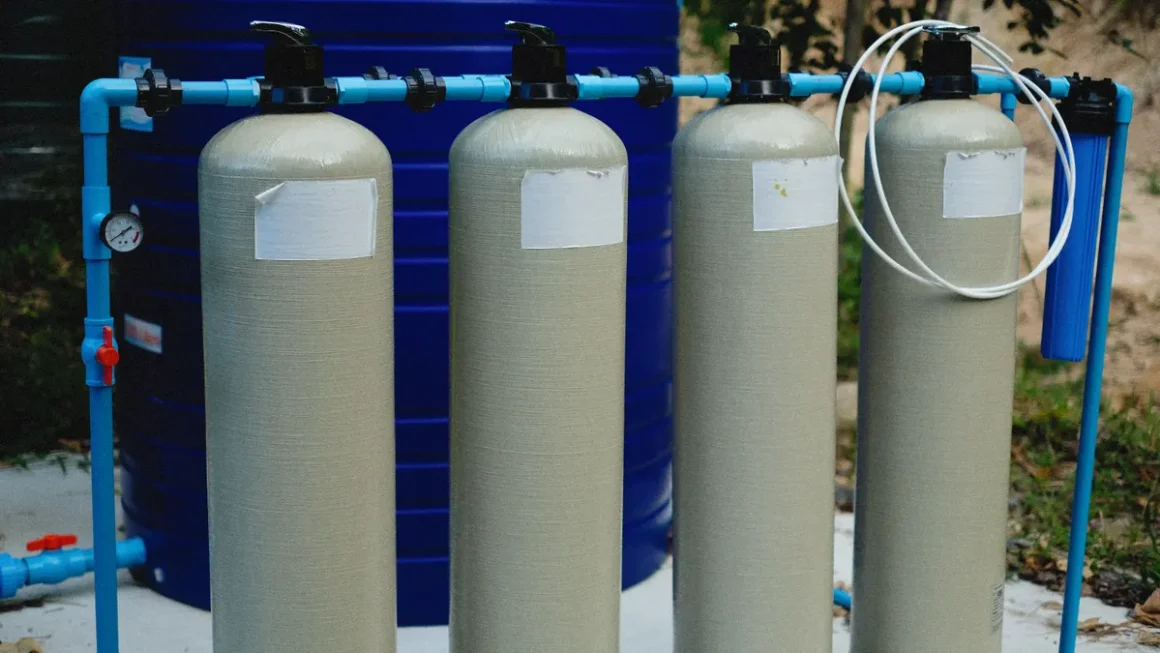
Aerobic septic filter cleaning starts with identifying which filter is actually in the system, because the cleaning method changes by location and part. In the topic Aerobic Septic Filter Cleaning: Which Filters Need Attention and When, an aerobic septic filter may be a removable screen in the pump tank, an effluent filter near the outlet, a trash trap ahead of the tank, or a screen at the spray heads.
Which aerobic septic filter is in your system?
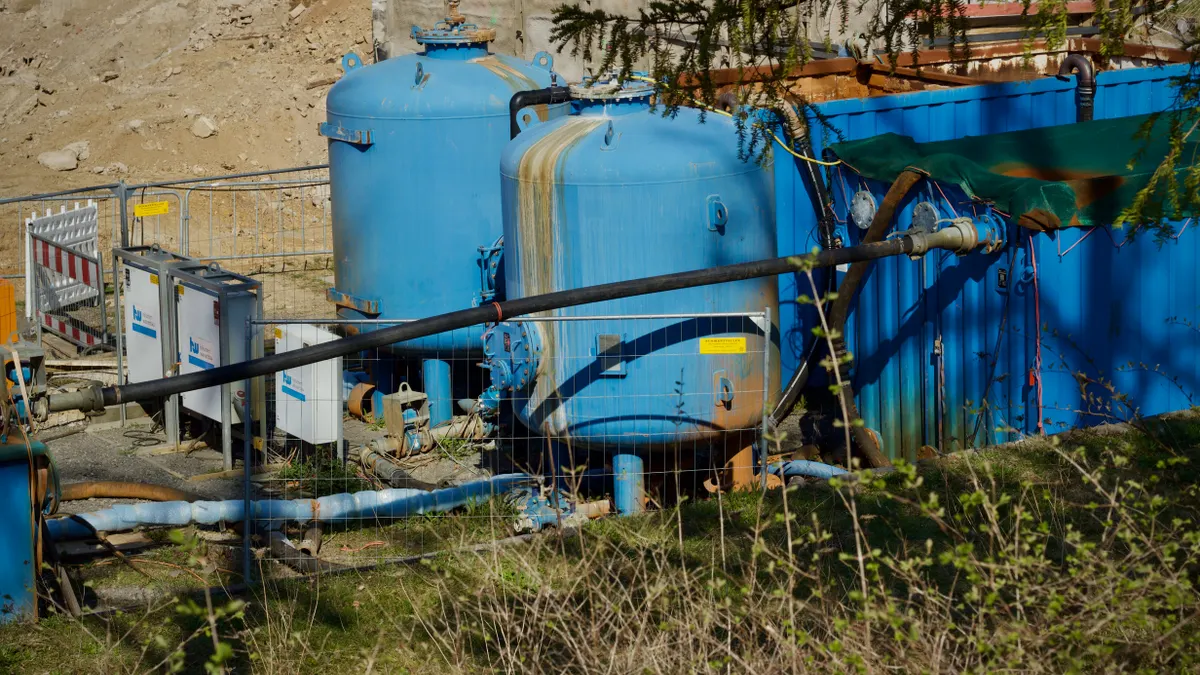
The filter you clean is usually the one that sits in the flow path closest to the clog, not every screen you can find in the yard. In most aerobic units, the common parts worth checking are the effluent filter, the trash trap, the pump tank screen or basket if present, and the spray heads at the discharge end. The wrong part gets blamed often because all of them can slow flow, but they do not clean the same way.
A removable effluent filter is the most common service point. It usually sits in the outlet tee or at the outlet side of the tank and catches fine solids before they reach the drainfield or spray irrigation line. A trash trap is rougher protection, usually upstream, and catches larger debris such as wipes, grease, or fibers before they move farther through the system. A pump tank screen or basket, if the system has one, sits where the pump moves treated effluent to the dispersal area; if you are unsure which part you have, consult the system manual or a septic professional. Spray heads are not filters in the strict sense, but debris can lodge there and mimic a filter problem. See the EPA’s septic system guidance and local manufacturer instructions for model-specific identification. EPA
The location matters because the cleaning action changes. A screen in the pump tank can often be lifted out and rinsed. An effluent filter may need soaking and careful brushing. A trash trap can hold heavier muck that needs more than a quick rinse. Spray heads usually need flushing and inspection, not “filter cleaning” in the usual sense.
If the system manual names a specific model, follow that part number first. A Pentair, Polylok, or Tuf-Tite style filter may look similar to another brand but differ in length, handle shape, or screen material. A mismatch can cause leaks or bypass. If the system has no visible service label, the safest clue is where the part sits: outlet side for effluent filter, inlet side or early pretreatment area for trash trap, tank top or pump chamber for a removable screen; when there is any doubt, consult a septic professional rather than guessing.
What gets dirty first, and why timing matters
The effluent filter usually needs attention before the larger components do, because it catches the fine solids that make it through the tank. That is why a homeowner often notices the filter before they notice the trash trap or the spray heads. A clean-looking tank does not mean the screen is clear; a thin layer of gray slime can cut flow enough to matter. The topic Aerobic Septic Filter Cleaning: Which Filters Need Attention and When is about that first point of restriction.
Debris buildup changes by location. In the trash trap, the problem is often larger material: wipes, hair, lint, and bits of plastic that should never have entered the system. In the pump tank, buildup tends to be lighter solids and scum that drifted farther than they should have. At the spray heads, the issue is often grit, scale, or small particles that pass through the pump but catch at the nozzle opening.
The right cleaning interval depends on use, not a calendar alone. A seasonal cabin, a household with a garbage disposal, or a system that sees heavy laundry use will load a filter faster than a lightly used home. That is why a “once a year” rule can miss the real condition of the filter. If the system has a service log, use it to compare the last cleaning date with the symptoms you are seeing now. A filter that was cleaned 3 months ago and is already coated tells you something different from one that has gone 12 months without attention.
A generic article often skips the distinction between “dirty enough to rinse” and “dirty enough to indicate a larger problem.” That distinction matters. A light coating on a removable screen is normal service wear. Thick sludge, compressed matting, or repeated plugging within weeks usually points to upstream solids loading, a failed baffle, or a pump issue elsewhere in the system. That deeper troubleshooting belongs on another page, not in a routine cleaning guide.
For a homeowner, the practical test is simple: if the system uses a visible effluent filter and the flow path seems restricted, it deserves inspection before the next service visit. The cleanest systems still benefit from a check at least once during routine maintenance, even if the screen is not yet packed solid.
How do I clean an aerobic septic filter safely?
You clean an aerobic septic filter by removing the part only if the system design allows it, rinsing solids back into a contained area, and reinstalling it without damaging the screen or seals. A 5-gallon bucket, a hose with moderate pressure, gloves, and eye protection are the basic tools for most removable filters. For safe handling guidance, see the NSF/ANSI septic product information and manufacturer maintenance instructions. (Source: NSF)
-
Shut off the aerator or pump power before opening the access cover. This reduces the chance of moving parts or sudden discharge while the tank is open, and it gives the liquid surface a chance to settle for 5 to 10 minutes.
-
Open the correct access point and identify the part before removing anything. Look for the outlet-side effluent filter, the trash trap, or the pump tank screen; the wrong cover can expose a different chamber and create a mess.
-
Lift the filter straight out and keep it upright. Many removable screens hold trapped solids in the folds or slits, and tilting them too fast can dump debris back into the tank or onto the access opening.
-
Rinse the screen from the clean side toward the dirty side with a garden hose. Use enough pressure to clear buildup, but not a jet that tears the mesh or forces debris deeper into the screen; the result should be visible openings with no packed mat.
-
Brush stubborn buildup with a soft nylon brush. A stiff wire brush can damage plastic or coated parts, while a nylon brush removes slime without chewing up the screen edge or gasket seat.
-
Inspect the seal, handle, and housing before reinstalling. A cracked handle, flattened O-ring, or bent frame can let solids bypass the filter even when the screen looks clean.
-
Reinstall the part in the same orientation and close the access cover tightly. The filter should seat fully, and the cover should sit level so surface water, insects, and dirt do not enter the chamber.
-
Restore power and watch the system briefly for normal flow. The treated effluent should move without obvious backup at the cover, and the pump tank should resume its usual cycle if the system uses one.
The part that trips people up most is pressure. High-pressure washing can strip biofilm fast, but it can also force debris deeper into the pleats or crack older plastic. Moderate hose pressure is usually enough for a removable effluent filter. If the screen still looks loaded after rinsing, the issue may be compacted grease or solids from an upstream problem, not just surface dirt.
What changes when the filter is in the pump tank, trash trap, or outlet line?
The cleaning method changes because each location traps a different kind of debris. A pump tank screen usually needs gentler handling than a trash trap, and an outlet effluent filter usually needs more careful seating than either one. The part’s location tells you what to expect and how hard you can clean it.
A pump tank filter or basket catches material before the pump pushes effluent to the dispersal area. That part often collects stringy debris, small clumps, and sediment. Because it sits near electrical equipment and a pump, cleaning should stay controlled: power off, remove the part carefully, and avoid splashing slurry into the floats, wiring, or pump intake. A damaged float switch or cord costs far more than a dirty screen.
A trash trap is more about catching larger solids early. It can hold material that is uglier and heavier than what you find on an effluent filter. This is the place where wipes, fibrous debris, and sludge chunks often show up. The clean-out process may involve repeated rinsing and manual removal of trapped material. If the trap fills fast after cleaning, that is not a cleaning problem alone; it means something upstream is sending the wrong waste into the system.
An effluent filter at the outlet deserves the most care in reinstallation. It can be cleaned well in 10 to 15 minutes if the buildup is light, but the real risk is leaving the gasket misaligned or the screen half-seated. That mistake lets solids bypass the filter and heads straight to the spray system or drainfield. A visibly clean filter that is installed wrong is worse than a dirty one that is installed right.
This is where many generic how-to pages get sloppy: they treat every filter as if it were a sink strainer. It is not. The same debris can move differently depending on whether the part is before the pump, inside the pump tank, or at the outlet tee. If the system has multiple service points, clean the one with the heaviest visible load first, then move downstream. That keeps loosened debris from being pushed into a cleaner section. For related maintenance steps, see the system’s service manual and the EPA’s septic care recommendations. EPA
What mistakes damage filters or make clogs come back?
The biggest mistake is pulling the filter, rinsing it, and putting it back without checking the housing, because a cracked seat or bad gasket can undo the cleaning in one cycle. Another common mistake is blasting the screen with a pressure washer, which can deform plastic parts and force solids into places you cannot reach.
A third mistake is cleaning only the visible surface. Effluent filters often have folds, slits, or deep channels that hold slime below the outer skin. If those channels stay packed, the filter looks better than it performs. A soft brush and a thorough rinse are usually better than a quick spray.
A fourth mistake is reassembling the part in the wrong orientation. On some units, the handle or arrow indicates flow direction, and reversing it reduces the effective opening area. That can make a clean filter act clogged within hours.
A fifth mistake is ignoring what the debris says. A filter loaded with toilet paper residue tells a different story from one coated in grease or stringy fibers. Heavy grease suggests kitchen waste practices need attention. Fibers and wipes point to what is entering the tank. No amount of rinsing fixes those sources by itself.
A sixth mistake is using the wrong tool for the setting. A metal screwdriver can nick plastic housings. A wire brush can ruin a coated screen. A bucket without a lid can carry dirty rinse water into the wrong place. Simple tools are safer: gloves, a hose, a nylon brush, and a sealed container for removed debris.
The limit of DIY cleaning is easy to state: if a filter repeatedly plugs in a short interval, or if removal reveals broken plastic, damaged seals, or abnormal sludge upstream, cleaning is no longer the whole answer. That is the point to bring in a septic service professional. Aerobic systems are sensitive to assembly errors, and the cost of a bad reinstall can be higher than the cost of a service call. Local health department guidance and service records can help confirm when professional attention is needed. CDC
How often should you check the filter, and what tells you to act now?
You should check the filter on a routine basis and act immediately if flow slows, the tank level rises, or the visible screen is coated with solids. A calendar check keeps small buildup from turning into a backup, but the condition of the filter matters more than the date alone.
A practical habit is to inspect the accessible filter during regular system service and any time the system behavior changes. If the home has a pump tank with a removable screen, a quick look during scheduled maintenance is enough when the screen is clear. If the system has a history of heavy use, kitchen grease, or frequent laundry loads, the filter may need attention sooner. The exact interval is system-specific, which is why the manufacturer’s manual and a local service log are more useful than a generic rule.
Act now if you see a filter coated with a dense mat, if the rinse water runs dark for a long time, or if the screen is covered with debris that looks different from the last cleaning. Those signs usually mean the filter is doing its job, but the system is loading it faster than normal. A one-time cleaning is fine; repeated plugging is a warning.
A good reference point is the broader service plan. This guide fits into the larger aerobic septic service checklist, but it does not replace it. The filter is only one part of the system, and cleaning it without tracking the rest of the unit can make you miss the real cause of repeated debris buildup.
If you want the simplest answer, it is this: clean the removable filter that sits at the outlet or in the pump path when it shows buildup, and pay attention to where the debris is collecting. The location tells you what the part is and how hard it should be cleaned.
How do i know if a septic filter is clogged?
A septic filter is clogged when water flow slows, the screen is visibly coated, or the filter housing holds back sludge instead of passing liquid freely. A light film is normal; a packed mat of solids is not. If the same filter clogs again within a short period, the issue is often upstream loading rather than the screen alone.
can i clean a septic filter myself?
You can clean many removable septic filters yourself if the system design allows safe access and the part can be removed without disturbing electrical components or sealed chambers. A hose, gloves, and a careful rinse are often enough. If the filter is damaged, hard to reach, or keeps clogging, a septic professional should inspect the system.
Drafted with AI; not yet reviewed by a person.