Last updated: September 10, 2026
Key Takeaways
- Routine aerobic septic service usually takes 1 to 2 hours, while a repair visit can take half a day or longer if parts are needed.
- A quote that is far below the normal $150 to $350 maintenance range should worry you if it does not say what is excluded.
- Many systems need routine service about every 3 to 6 months, with an annual inspection or maintenance report depending on the local setup and permit conditions.
- Aerobic systems are mechanical and biological.
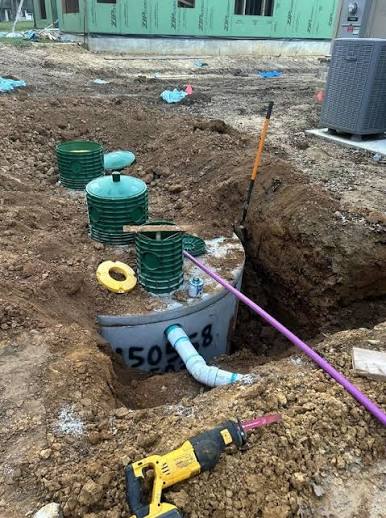
Aerobic septic service usually costs more than a basic septic pump-out. Labor, filter cleaning, electrical parts, and local permit rules usually drive the bill, not tank size alone. In Austin, San Antonio, Houston suburbs, or the Hill Country, plan on more than a simple inspection and less than a repair for failed alarms, spray heads, or a broken aerator. Access matters. So do permits. And the system’s condition can move the price, too.
What aerobic septic service cost usually covers
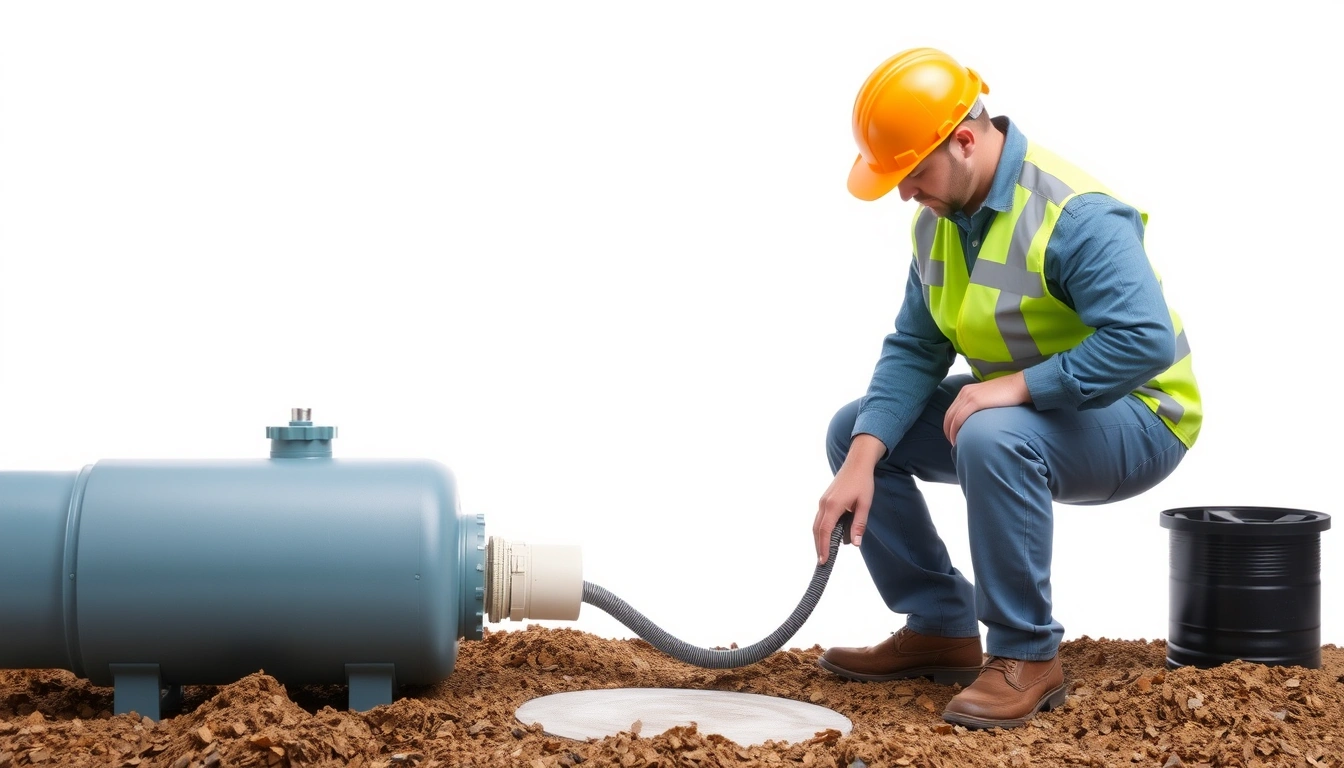
Aerobic septic service cost most often covers inspection, filter cleaning, disinfectant checks, sludge measurement, alarm testing, and minor adjustments to the control panel or aerator. In central Texas, that basic maintenance visit is usually a service call plus labor, and the total often lands in the low hundreds before any parts are replaced.
What the technician finds in the trash tank, aeration chamber, pump tank, and spray field decides the final bill. A homeowner in Buda with a clean system and no alarm may only need a routine visit. A homeowner in New Braunfels with a clogged filter, a weak blower, or high sludge buildup can see the price rise quickly because the job stops being maintenance and turns into repair.
A useful way to think about the cost is by service type:
| Service type | Typical local price range | What it usually includes |
|---|---|---|
| Routine inspection | $100–$250 | Visual check, floats, alarms, basic system review |
| Routine maintenance visit | $150–$350 | Filter cleaning, chlorine tablet check, minor adjustments |
| Pump-out or sludge removal | $300–$700 | Tank pumping, waste hauling, cleanup |
| Aerator/blower repair | $250–$900+ | Troubleshooting, parts, labor |
| Control panel or alarm repair | $150–$600+ | Electrical diagnosis, switches, floats, panel work |
| Spray head or line repair | $200–$800+ | Nozzle cleaning, replacement parts, line troubleshooting |
Those are broad working ranges, not promises. In Travis County, Hays County, or Comal County, the final number can move with access, distance from the truck, and whether the technician needs extra time on site. No magic number here.
How much should I budget for aerobic septic service in Austin, San Antonio, and nearby towns?
I would budget $250 to $500 for a routine aerobic septic service visit in Austin, San Antonio, Round Rock, Cedar Park, Kyle, or Schertz, then keep another few hundred dollars aside for surprise repairs. That range helps keep a homeowner from getting blindsided when the alarm sounds or the filter is packed with solids.
Why start higher than a standard septic cleaning? Because aerobic systems have more working parts. There is usually a pump, blower, sprinkler or drip components, electrical controls, and a disinfectant step. More parts mean more inspection points and more chances for a technician to spend extra time.
Here is a practical budgeting view for Central Texas homeowners:
| Scenario | What you might pay |
|---|---|
| Annual inspection only | $100–$250 |
| Standard maintenance with cleaning | $150–$350 |
| Maintenance plus minor part replacement | $250–$500 |
| Emergency service after an alarm | $200–$600+ |
| Repair with blower, pump, or control issue | $400–$1,200+ |
If your home is in a newer subdivision outside San Antonio or on a larger lot near Dripping Springs, service may also include a drive fee or a longer labor window. Fencing, slopes, and locked gates can slow things down. The quote may look simple; the yard rarely is.
A good quote should say what is included: visit fee, labor rate, inspection, filter cleaning, parts, hauling, and any permit or reporting charge. If the quote only gives one vague number, I would treat it carefully and ask a qualified professional to walk through the exclusions. For a current benchmark, you can compare local quotes with EPA guidance on onsite wastewater basics and with Texas Commission on Environmental Quality rules for maintenance and reporting.
Why Central Texas soil, weather, and regulations change the price
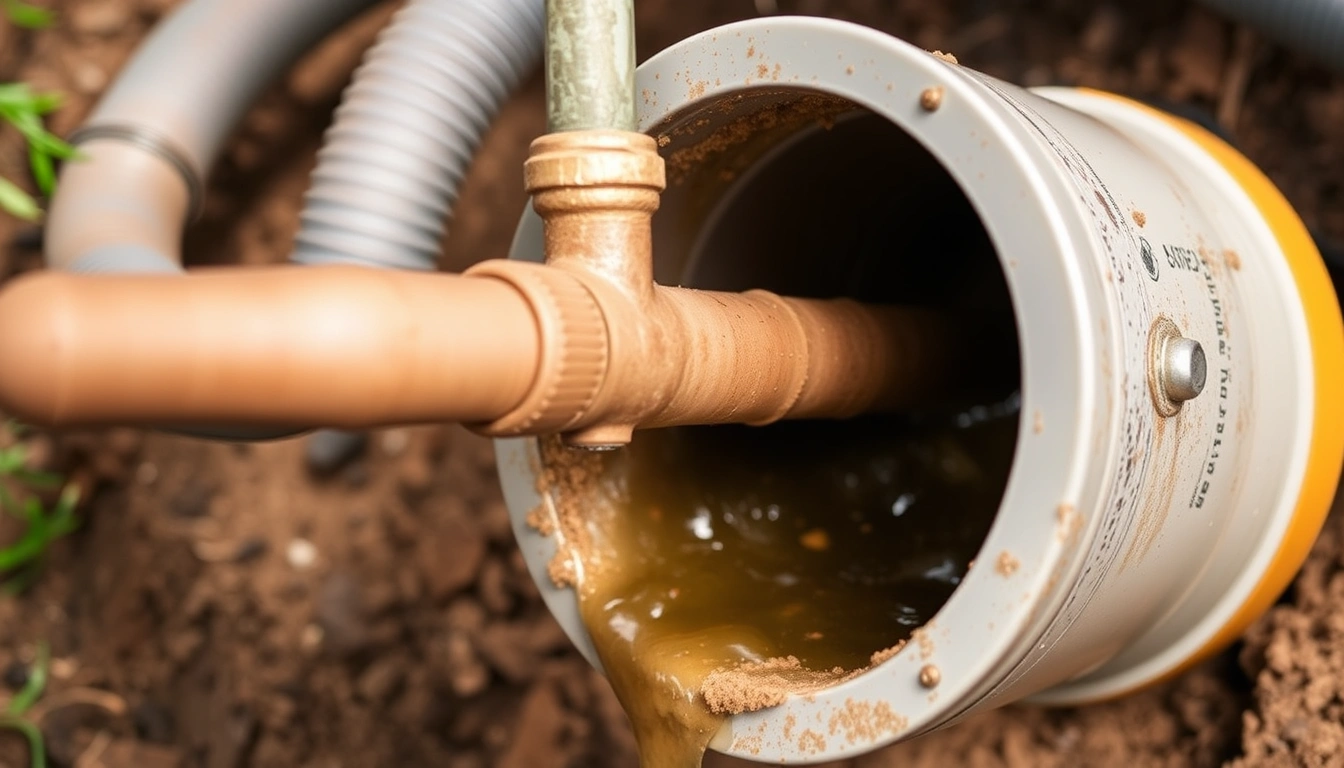
Central Texas conditions raise aerobic septic service cost because the work is not just about the tank; it is about keeping treated effluent moving through clay soil, heat, and seasonal rain without creating a nuisance. Austin’s Blackland clay in some spots, rocky Hill Country ground in others, and quick shifts in rainfall all affect how the drain area, spray field, or drip components behave.
Clay soil does not soak up water like sandy ground, so a system can back up faster when the spray field is overloaded or when roots invade lines. Dry stretches can make homeowners forget about maintenance, then a heavy rain exposes a weak blower or bad float switch. In low-lying areas near San Marcos, Buda, or parts of north San Antonio, stormwater runoff can also complicate access and make the yard muddy enough to slow the job.
Texas rules matter, too. Aerobic onsite wastewater systems are regulated through local permitting and maintenance requirements, and many counties require periodic service reports from a licensed maintenance provider. The Texas Commission on Environmental Quality oversees onsite wastewater rules at the state level, while the county or a delegated authority often handles local permitting. If a technician has to file paperwork after a repair or inspection, that can show up as an added line item on the bill. Paperwork always finds a way.
For readers who want the rule itself, I would point to the Texas Commission on Environmental Quality’s onsite sewage system guidance and the Texas Administrative Code sections that cover aerobic treatment units, but a qualified local provider can also explain how those rules apply to your property. If you are in a city utility area with extra local rules, ask the provider whether reporting is part of the quoted price before work begins.
How long does aerobic septic service take?
Routine aerobic septic service usually takes 1 to 2 hours, while a repair visit can take half a day or longer if parts are needed. That time estimate matters because a low quote is not always a quick visit if the technician spends four hours chasing an electrical fault or waiting on a replacement blower.
A basic maintenance appointment in Houston suburbs like Katy or Cypress may be fast if the system is easy to reach and the access lids are clear. Near San Antonio or in rural areas around New Braunfels, the job can drag because lids are buried, panels are weathered, or the site is set back from the road.
Here is the rough timing I would expect:
- Inspection and maintenance: 1 to 2 hours
- Pump-out with hauling: 2 to 4 hours
- Electrical diagnosis: 1 to 3 hours
- Blower or pump replacement: 2 to 5 hours
- Emergency troubleshooting with multiple failures: half a day or more
Same-day service does not mean same-day completion for every issue. A same-day response can still lead to a second visit if the service truck does not carry the right part. Common enough. Blower motors, floats, and certain control components do that.
Red flags: quotes that should worry you
A quote that is far below the normal $150 to $350 maintenance range should worry you if it does not say what is excluded. Very low pricing often means the visit covers only a glance at the tank, with everything else billed later.
I would be cautious if you see any of these:
- No mention of filter cleaning, sludge check, or alarm test
- No clear labor rate after the first hour
- No explanation of whether hauling is included
- No licensing or maintenance report language
- A vague “system service” line with no itemization
In Texas, a licensed maintenance provider should be able to explain what they are checking and what they are required to report. If the person cannot tell you whether your county needs a maintenance contract or service report, that is a poor sign.
Another red flag is a quote that ignores access. In places like Lago Vista, Wimberley, or the outskirts of Conroe, a tank hidden behind fencing, a steep slope, or long hose runs can change the job. A serious quote usually asks about gate access, panel location, and whether the tank lids are visible.
A third red flag is a service promise that sounds like a repair guarantee on every problem. Aerobic systems are mechanical and biological. A technician can service them well, but no honest provider can promise that a blower, pump, or spray field will never fail.
How to vet an aerobic septic contractor in your area
Choose a contractor who can explain licensing, maintenance intervals, and local reporting in plain language, and skip anyone who only talks about price. In the Austin, San Antonio, and Hill Country area, the right provider should know county permit rules, electrical issues common to aerobic units, and the difference between routine maintenance and corrective repair.
Ask for these details before you book:
- Whether the provider is licensed or registered for onsite wastewater work in Texas.
- Whether the quoted price includes filter cleaning, sludge check, chlorine check, and alarm testing.
- Whether the company services your county or city, including nearby places like Seguin, Kyle, Bastrop, and Canyon Lake.
- Whether emergency visits carry a separate fee.
- Whether they file the maintenance report or leave that to the homeowner.
If they are vague about Texas Commission on Environmental Quality requirements, I would keep looking. If they can explain the difference between an aerobic treatment unit and a conventional septic tank without stumbling, that is a better sign, though a qualified professional should still confirm what your system needs.
A quote should also mention turnaround time. In busy months, especially after a wet spring or after a freeze event, routine service can book out several days. If you need same-day help because the alarm is sounding or the spray heads are backing up, say that upfront. Emergency response is a different service from scheduled maintenance, and the price should reflect that difference.
For a homeowner in central Texas, the best contractor is usually not the cheapest one on paper. It is the one who can show what is included, what might change the price, and what the next maintenance interval should be, often 3 to 6 months for certain checkups and 12 months for routine service depending on the system and local rules.
Best time of year to schedule service in Central Texas
The best time to schedule aerobic septic service in Central Texas is before heavy rain season or before peak summer heat, not after the alarm starts sounding. Spring and early fall are usually the easiest windows because technicians can move faster, yard access is better, and you are less likely to be dealing with saturated soil or extreme heat.
In April through June, rain can expose drainage issues, especially around Georgetown, Pflugerville, and the edges of the Hill Country. July and August are different; dry ground may hide a problem until the system is stressed by guests, watering, or power interruption. After a hard freeze, some homeowners discover cracked lids, brittle tubing, or electrical problems that sat unnoticed for weeks.
If your system has a 6-month service requirement, put it on a calendar rather than waiting for a warning light. That is especially sensible for homes on acre lots outside Austin or for properties in the fast-growing suburbs where contractors are booked tighter after storms.
FAQs about aerobic septic service cost
Aerobic septic service cost questions usually come down to emergency timing, what is included, and whether a free estimate is really free. Here are the questions I would expect homeowners in Austin, San Antonio, and nearby towns to ask before booking.
Do I need emergency service if the alarm is on?
If the alarm is on, I would treat it as urgent and call for service the same day if possible, because an aerobic unit may be losing treatment capacity or failing a pump, float, or blower. You may not need a full repair that day, but you do need a diagnosis quickly.
Is a free estimate really free?
Sometimes, but not always. Some companies waive the estimate fee if you approve the work, while others charge a trip fee if they have to diagnose a problem at the site. Ask before booking so the bill does not start with a surprise.
How often should aerobic septic service be done?
Many systems need routine service about every 3 to 6 months, with an annual inspection or maintenance report depending on the local setup and permit conditions. Your county rules and system design matter, so confirm the interval for your specific unit.
Can I get same-day service in Austin or San Antonio?
Often yes for an alarm or obvious failure, but same-day service depends on the provider’s schedule and the parts on the truck. Same-day response does not always mean same-day repair if the blower motor or control parts have to be ordered.
Will nearby towns pay the same as the city?
Not always. Homes in Leander, Wimberley, Floresville, or out toward Seguin may see added travel time, longer labor, or different county filing requirements than a home inside a city service area.
For a homeowner ready to book, the safest expectation is simple: routine aerobic septic service in Central Texas usually starts in the low hundreds, climbs with repairs or hauling, and takes about 1 to 2 hours when nothing is broken. If you are seeing alarms, odors, or slow spray heads, do not wait for the cheapest appointment; the longer you wait, the more likely the job becomes a repair instead of maintenance.