Last updated: September 10, 2026
Key Takeaways
- Replacement usually wins when the system is 15 to 25 years old and has multiple failing parts.
- If you are facing another repair within 6 to 12 months, I would compare that cost against replacement.
- Most aerobic septic replacements take several days, and weather or permitting can stretch that timeline.
- I would also look at replacement when the system no longer fits the property.
A tank that keeps dropping out, a pump that won’t stay quiet, a spray field that puddles after every rain — that is usually the point where aerobic septic system replacement starts looking smarter than another repair. One fix buys time; sometimes that’s all it buys. In and around Austin, the call often turns on age, condition, soil, and whether the setup still meets Texas permitting rules. For basic definitions of onsite wastewater systems, the Texas Commission on Environmental Quality is a useful reference: https://www.tceq.texas.gov/assistance/education/ossf.
When does aerobic septic system replacement make more sense than repair?
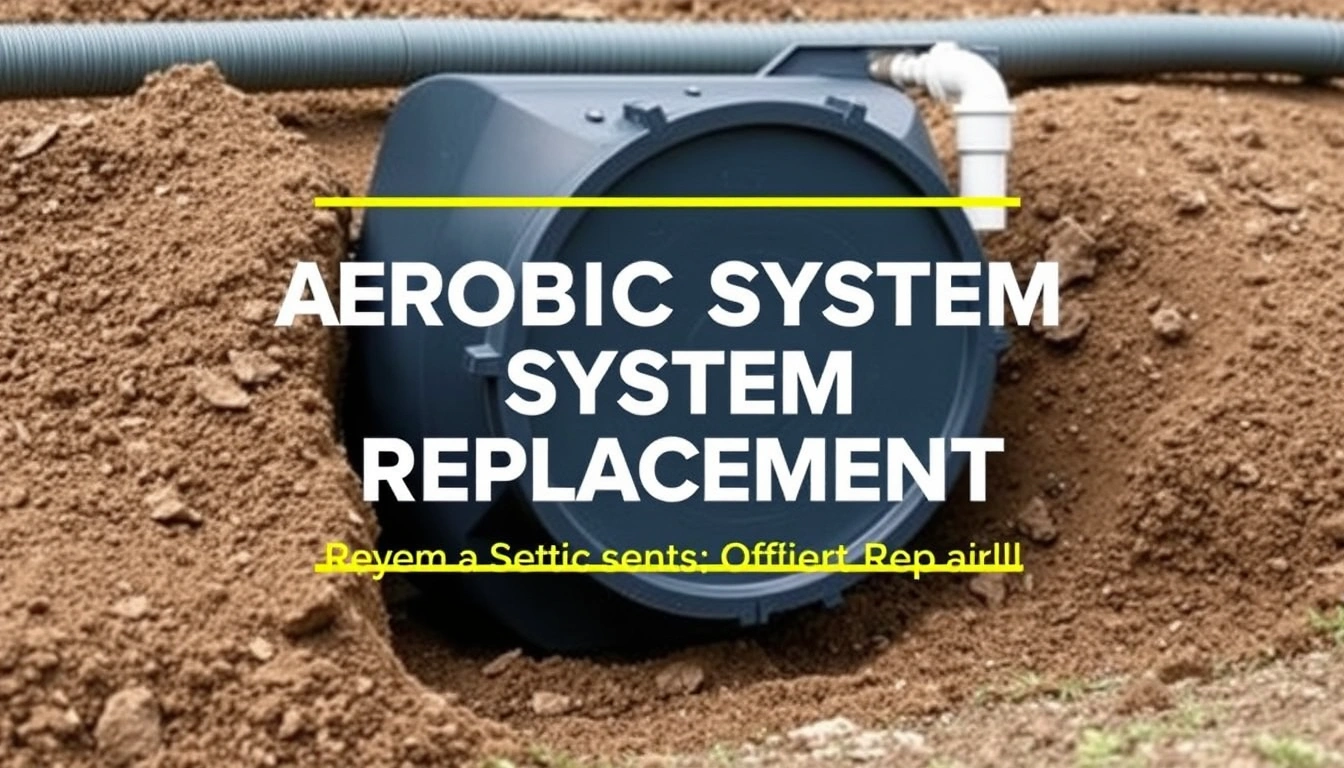
Repeated failures change the math fast. So do major tank damage and noncompliant components, because you end up paying twice for the same headache. For a homeowner in Austin, Round Rock, Cedar Park, or Dripping Springs, I would think seriously about replacement when the unit is 15 to 25 years old, the control panel is failing, and you are seeing recurring alarms, broken spray heads, or chronic effluent ponding after one repair.
The real question is not “can it be fixed?” It is whether the fix will stick long enough to justify the bill. If a compressor, diffuser, float switch, or sprinkler head is the only problem, repair is usually the right call. But if the tank walls are cracked, the compartment baffles are shot, the drainfield or spray area is saturated, or the system has been patched several times already, replacement often becomes the cheaper long-term move. Ugly answer, but honest.
I would also look at replacement when the system no longer fits the property. In parts of Travis County and Hays County, clay soils, shallow rock, and drainage limits can make older aerobic systems harder to keep stable. If the site keeps backing up after wet weather, or if an expansion to the home has stressed the existing capacity, repair may not solve the root issue.
When the problem is isolated and the rest of the system is sound, replacement is the wrong move. A dead blower, a bad timer, a failed aerator, or a single broken sprinkler line does not automatically justify a full swap. For general home maintenance guidance on when to repair versus replace major equipment, see the U.S. Department of Energy’s efficiency resources: https://www.energy.gov/energysaver.
What aerobic septic system replacement costs in Austin and nearby areas
Replacement usually costs more than repair by a wide margin, and the final number depends on tank size, excavation, site access, electrical work, and permitting. In the Austin area, a full aerobic septic replacement is often a four-figure-to-low-five-figure job rather than a small service call, while a simple repair may stay in the lower hundreds or low thousands depending on parts and labor. Local pricing varies, so a licensed installer should give you a property-specific quote.
Here is the kind of local pricing spread a homeowner might discuss with a licensed installer:
| Service | Typical local range | What drives the price |
|---|---|---|
| Service call and diagnosis | $150–$400 | Distance, emergency timing, access |
| Compressor, float, or control repair | $300–$1,200 | Brand, part availability, labor |
| Spray head or line repair | $250–$900 | Number of heads, trenching, yard repair |
| Panel replacement | $500–$1,800 | Electrical scope, controls, alarms |
| Partial component replacement | $1,500–$4,000 | Tanks, pumps, plumbing ties |
| Full aerobic system replacement | $8,000–$20,000+ | Soil work, permitting, electrical, restoration |
Those ranges are broad because Austin-area projects are not all built the same. A narrow lot in East Austin, a sloped site in West Lake Hills, or a rocky parcel outside Dripping Springs can push labor and excavation costs up fast. Equipment access matters too. If crews have to hand-dig around mature trees, a pool, or a tight driveway, the price goes up.
I would be cautious with any quote that is far below the local norm unless the contractor clearly spells out what is excluded. A low number sometimes means no electrical rework, no permit handling, no yard restoration, or no replacement of components that are already close to failure. The Texas A&M AgriLife Extension septic guidance is a good place to compare what a complete job should cover: https://agrilifeextension.tamu.edu.
What Austin-area soil, weather, and rules change about the job
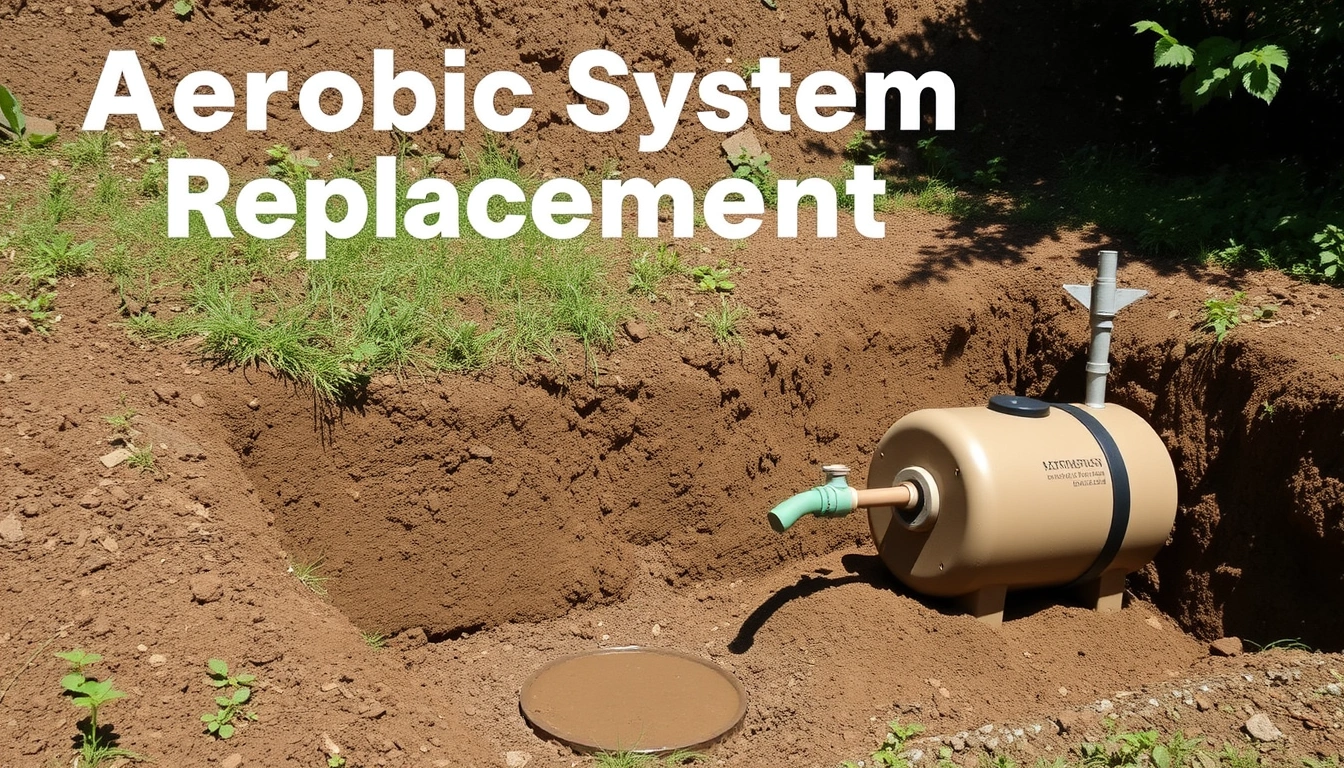
Clay-heavy ground, limestone pockets, and storm cycles can make a marginal aerobic system fail sooner than it would in better-drained soil. That matters because a replacement is not just “new equipment”; it is a new layout that has to fit local site conditions and Texas permitting.
Heavy rain is a real factor in Central Texas. Saturated soil can slow drain performance, flood low spots, and expose weak grading around spray areas. In neighborhoods with dense clay, the ground can hold water longer after a storm, which stresses the dispersal area and can make repairs look successful for a few weeks before the next wet period exposes the same problem. For weather and rainfall context, the National Weather Service Austin/San Antonio office is a useful source: https://www.weather.gov/ewx/.
Permitting also matters. In Texas, aerobic septic systems are regulated at the county or local-authority level in many cases, and the design often has to match the property’s soil profile and lot conditions. If your home is in Austin proper, unincorporated Travis County, or parts of Williamson and Hays counties, a replacement may require permit review, a licensed installer, and a design that matches current standards rather than whatever was approved years ago. A contractor should be able to explain whether your project needs county approval, inspection, or a revised design.
That is where one-size-fits-all advice falls apart. A homeowner in Leander with roomier lot conditions may have a very different replacement path than someone in central Austin on a smaller lot. The answer can change based on setbacks, slope, tree roots, and whether the home has a spray system or another approved disposal method.
If a contractor acts as if every lot in the Austin area is identical, I would treat that as a warning sign and confirm the plan with a local licensed professional.
Repair or replace: how I would decide
Repair makes sense when the failure is isolated, the system is not elderly, and the rest of the installation is in decent shape. Replacement makes sense when the same system keeps chewing through money, parts are obsolete, or the setup is too compromised to pass a sensible inspection.
A simple way to think about it:
- Repair usually wins when the problem is one component and the rest of the system is under roughly 10 to 15 years old.
- Replacement usually wins when the system is 15 to 25 years old and has multiple failing parts.
- Replacement also wins when there is tank damage, severe odor issues, repeated backups, or evidence of failed dispersal.
- If the repair quote is approaching a large fraction of replacement cost, I would ask hard questions before signing.
This is not a fixed rule for every house in Buda, Pflugerville, or Kyle. It is a judgment call. The useful question is whether the repair resets the system for several years or just clears the alarm long enough for the next failure. If the answer is the second one, replacement becomes the smarter financial move even though it hurts more on day one.
I would not recommend replacement for a homeowner whose problem is a bad float switch or a worn blower and whose system still has clean tanks, healthy plumbing, and a working dispersal area. That is money thrown away.
How long replacement takes in Central Texas
Most aerobic septic replacements take several days, and weather or permitting can stretch that timeline. A straightforward job may take 2 to 5 working days once the installer has approval, parts, and access to the site. More complicated sites in Austin, Manchaca, Lakeway, or Dripping Springs can take longer if excavation is difficult or the system design has to be revised.
The timeline usually has three parts:
- Inspection and diagnosis, often 1 visit.
- Permitting and design review, which can take days or longer depending on the authority and workload.
- Physical replacement, usually measured in days, not hours.
If a contractor promises a same-day full replacement, I would ask how they are handling design, permit approval, electrical tie-in, and final inspection. A same-day emergency visit is realistic for diagnosis or temporary stabilization. A same-day full system replacement usually is not.
Season matters too. In Central Texas, spring and fall are often easier working seasons than the hottest weeks of summer or a wet stretch after thunderstorms. That does not mean winter is off-limits. It means soil, access, and weather can add time.
How to vet an aerobic septic contractor in Austin
Hire only a contractor who can explain the replacement plan in plain language, hand over a written scope, and show how the job will be permitted and inspected. In Austin and surrounding counties, that matters more than a slick sales pitch. You can also check contractor and permit guidance through the City of Austin Development Services site: https://www.austintexas.gov/department/development-services.
Ask these questions before you book:
- Is this a repair, a partial replacement, or a full system replacement?
- Which components are being reused, if any?
- Does the quote include permit handling, electrical work, and final inspection?
- What happens if the soil or existing piping looks worse once the tank is opened?
- How long is the work expected to take on my property?
- What cleanup and yard restoration are included?
I would also ask what a bad job looks like. A straight answer should mention recurring alarms, standing water, odor near the spray area, uneven grading, exposed piping, and components installed without regard to access for future service. If a contractor cannot describe the failure modes, they may not understand the system well enough to replace it cleanly.
Local service matters here. A crew that regularly works in Austin, Round Rock, Cedar Park, Buda, Kyle, and nearby unincorporated areas is more likely to know the county permitting path and the soil patterns that change the design.
Red flags in replacement quotes and what a bad job looks like
A bad replacement often looks fine on the day the crew leaves and fails during the first heavy rain or the first hot spell. That is why I watch the quote as closely as the finished work.
Red flags include:
- A flat quote with no detail on parts, labor, permits, or restoration.
- No mention of the controller, alarm panel, pump, or dispersal area.
- A contractor who waves off clay soil, slope, or drainage problems in Travis or Hays County.
- No discussion of inspection or county approval.
- A price that seems unusually low without a clear reason.
A bad install often shows up as odor, pooling water, sprinklers that overshoot the intended area, or electrical alarms that keep returning. It can also show up as rushed grading around the tank, poor access for future maintenance, or a system that cannot be serviced without tearing up the same yard again.
I would treat any quote that skips restoration as incomplete, but I would still ask a licensed local contractor to confirm the scope before you decide. In Austin-area neighborhoods with established landscaping, the cost to put the yard back together can matter nearly as much as the mechanical work.
Emergency, same-day, and free estimate questions
Same-day help is usually realistic for diagnosis, alarm troubleshooting, or temporary repair, but not for a full replacement. If your aerobic system is backing up into the house in Austin, Cedar Park, or Pflugerville, a contractor may be able to get there quickly to stop further damage, identify the failure, and tell you whether replacement is now the better option.
A free estimate can be useful, but it should still be detailed. I would want the estimator to identify the system type, note whether the tank, pump, controls, and spray area are all serviceable, and explain what permit path the replacement would take. A vague estimate is not much help when you are deciding whether to spend hundreds on repair or thousands on replacement.
If you need emergency service, ask whether the company handles temporary stabilization first. That can buy time while you decide whether a repair will hold or whether a full replacement is the responsible call. For homeowner guidance on septic upkeep and warning signs, the EPA septic systems page is another credible reference: https://www.epa.gov/septic.
FAQ: aerobic septic system replacement in Austin
How do I know repair is no longer worth it?
Repair is usually not worth it when the system is old, has repeated failures, and the next fix will not address the underlying damage. If you are facing another repair within 6 to 12 months, I would compare that cost against replacement.
Can I get same-day service?
You can often get same-day diagnosis or emergency stabilization, but not usually a same-day full replacement. Replacement usually involves permitting, parts, excavation, and inspection.
Do I need a permit in Travis County or nearby areas?
Often yes, but the exact rule depends on the property’s jurisdiction and the system design. A licensed local contractor should tell you whether county or local approval is needed before work starts.
What is the biggest reason replacements fail?
Poor site evaluation is one of the biggest reasons. If the soil, grading, drainage, or dispersal area is wrong for the property, a new system can inherit the same problems the old one had.
Should I replace the whole system if only the pump failed?
Not usually. If the tank, piping, and dispersal area are sound, a pump replacement or related repair is often enough. I would reserve full replacement for systems with broader failure, not a single bad part.