Last updated: September 10, 2026
Key Takeaways
- That distinction matters because a $15 check valve can look, to the homeowner, like a $500 blower failure.
- Stand within about 1 to 2 feet and note whether the sound is steady, strained, rattling, or absent.
- Puddling, dark runoff, or a patch that stays wet after 24 hours can indicate the treatment chain is struggling; if you see that, consult a qualified septic professional.
- If your aerobic septic system smells worse, sounds different, or starts backing up, the aerator may be failing.
Your aerobic septic system can go from ordinary to ugly fast. Smell changes first sometimes; other times the blower gets loud, then sulks into silence. Either way, the aerator is usually the piece people notice first.
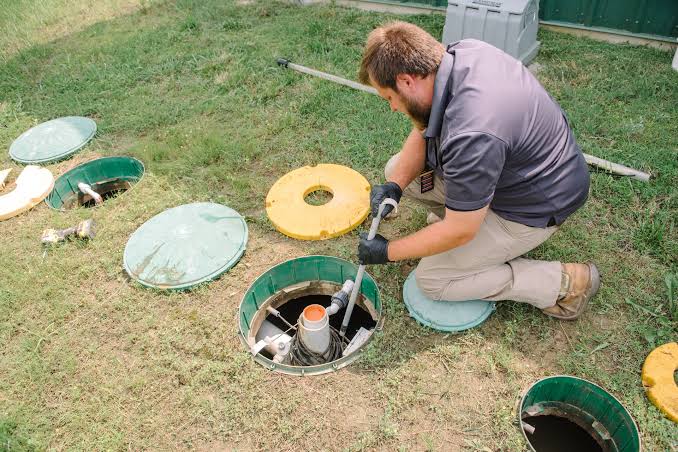
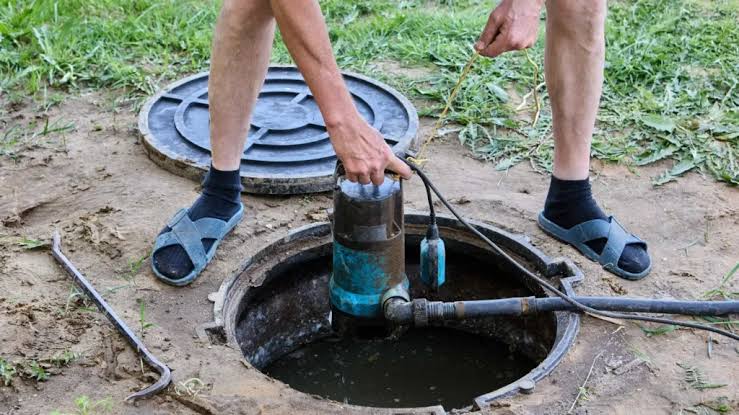
In an aerobic treatment unit, the air pump or blower feeds oxygen into the treatment tank, so when it weakens the whole system can lose efficiency fast. This article focuses on homeowners with an aerobic treatment unit, especially systems with a surface blower, diffuser, or compressor feeding the tank, and it assumes you already know where the control panel, tank lid, and breaker are. Not sure? Use the manufacturer manual or ask a qualified septic professional before opening anything unsafe. According to the U.S. EPA, aerobic treatment units need proper operation and maintenance to protect health and water quality.
Still, this is a safety-and-sanitation issue, and I would not treat sewage surfacing, alarms you cannot silence, or repeated electrical trips as a DIY puzzle; consult a qualified septic professional. Those are “stop and get qualified help” situations, not “keep poking around until it works” situations. Most of the rest, though, starts with simple observation.
What a failing aerobic aerator looks like

A failing aerator usually shows up three ways: air, noise, and water quality. The sound often shifts first. A healthy unit tends to make a steady hum or rhythmic pulse; a failing one may get louder, higher-pitched, rattly, or go quiet between cycles. If your system uses a separate air pump, a sudden drop in airflow often shows up before a complete stop. For general septic-system guidance, the U.S. EPA and state extension services recommend routine inspection and maintenance rather than waiting for a complete failure.
Smell is the second clue. A working aerobic system should not smell like strong rotten eggs around the tank or spray area. Mild earthy odor after pumping or during maintenance is one thing; persistent sewage odor, especially within a few feet of the unit, points to poor aeration or poor treatment, and you should consult a septic professional if it continues. Dark, septic, or scummy tank water instead of mixed and oxygenated water is another red flag. Ugly, yes. Sneaky, too.
The third clue shows up at the drainfield or spray area. Standing water, slow dispersal, dark puddles, or grass that suddenly turns overly green in one patch can mean the treatment process is slipping, and a qualified septic professional should assess it. One bad sign alone does not prove the aerator is the only problem. A clogged diffuser, failed timer, tripped breaker, or blocked air line can imitate a bad blower. That distinction matters because a $15 check valve can look, to the homeowner, like a $500 blower failure.
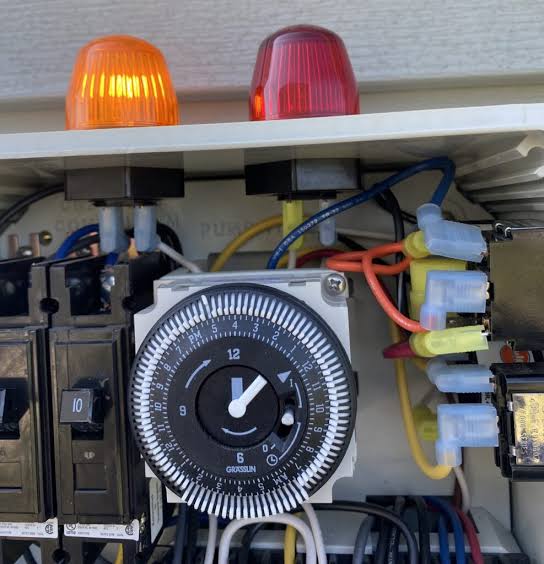
The alarm panel is the one symptom I would not ignore. Many aerobic systems use a high-water or aeration alarm. If the red light or buzzer comes on and stays on, the system is telling you the treatment process is out of range. That is not a cosmetic issue. It means the unit has crossed from “watch it” into “find the fault,” and if it does not clear promptly, call a septic professional. The U.S. EPA treats alarms as a sign the system needs prompt attention.
Is the aerator failing, or is something else wrong?
Often, it is something else. That is the trap. The aerator is the obvious suspect because it is noisy, electrical, and central to the system, but it is not the only part that can cause a system to behave badly. A blocked air diffuser, broken airline, clogged filter, failed relay, or tripped GFCI can create the same symptoms as a worn-out motor.
Start with the easy checks that do not require opening the tank. Look at the control panel. If the breaker has tripped, the outlet is dead, or the alarm is set off by high water rather than aeration failure, the problem may be upstream of the blower. A failing aerator often shows low or intermittent output, not just a dead system. If the unit is humming but no air is getting to the tank, that suggests a restriction in the line, a clogged intake filter, or a diaphragm failure in the pump; if you cannot verify the cause, consult a licensed septic technician.
Then look at timing. Many systems run aeration on a cycle, not continuously. If the blower shuts off every time the timer reaches a certain point, the timer or float switch may be failing. If the alarm appears after a storm or after heavy water use, the aerator may not be keeping up with the load, but the real issue could be hydraulic overload, not the motor itself. The National Onsite Wastewater Recycling Association notes that loading and maintenance both affect aerobic system performance.
I would not call every odor a blower failure. Odor after power loss, after long absences, or after recent pumping can come from a disturbed biological balance, and persistent odor deserves a professional look. Likewise, a little condensation noise or a brief startup rattle is not proof of failure. What matters is pattern: recurring smell, recurring alarms, recurring loss of air, or a sound that has clearly changed over days or weeks.
How do I check an aerobic septic aerator step by step?
Check power first, then airflow, then sound, then treatment condition. That order helps separate “no power,” “no air,” and “air but poor treatment,” because each points to a different fault.
- Confirm the control panel is powered. Check that the breaker is on and any GFCI-protected outlet is not tripped. Verify that indicator lights match the unit’s normal operating state. A panel that is dark or repeatedly resetting points to an electrical issue, not just a weak aerator.
- Listen at the blower or compressor. Stand within about 1 to 2 feet and note whether the sound is steady, strained, rattling, or absent. Verify a consistent hum or pulse. Clicking, buzzing without movement, or loud grinding indicates worn bearings, a failing motor, or a damaged diaphragm.
- Check the air intake and filter. If the model has an exposed intake, inspect it for dust, insects, or moisture. Verify that the intake path is clear and dry. A clogged intake can reduce output enough to mimic mechanical failure.
- Feel for airflow at the line only if the manufacturer design allows external access. On accessible lines, a faint pulse of air or vibration is expected. Verify that the line is not pinched, cracked, or disconnected. No airflow with a running blower suggests a broken airline, failed check valve, or internal pump problem.
- Look for tank movement and surface mixing. At the tank access point, you should see some agitation or visible aeration in the treatment chamber. Verify that the water is not dead still. A still tank while the blower runs points to a diffuser, manifold, or air distribution failure.
- Inspect the alarm and cycle behavior. Record whether the alarm is constant or intermittent over a 24-hour period, and whether it follows laundry loads, showers, or rain. Verify whether the system is failing only under heavy use. Intermittent alarms often point to overload, floats, or timers rather than a dead aerator.
- Check for odor and discharge changes. Smell around the tank and observe the drainfield or spray area for puddling or discoloration. Verify whether odors are localized or widespread. Strong sewage odor, surfacing effluent, or a dark, stagnant discharge area means treatment has dropped below acceptable performance, and you should consult a septic professional.
- Compare the current behavior to the unit’s normal cycle. If you have the manual, match the blower run time to the manufacturer’s cycle settings. Verify that the unit is not running far less than it should. A unit that runs but never reaches its normal duty cycle may be controlled by a timer fault or a weak motor.
If you cannot verify power, airflow, and mixing from the outside, stop there. Opening sealed electrical housings or tank components without the right safety setup is how small repairs become bigger ones. If the aerator is running but the tank stays flat and the alarm keeps returning, the problem is usually beyond a simple homeowner adjustment, so call a septic professional.
What usually causes an aerator to fail?
The usual culprits are wear, blockage, moisture, and electrical trouble. Aerators are mechanical devices that run for long periods, often daily, so parts wear out even when the rest of the system looks fine. Rubber diaphragms crack. Bearings get noisy. Filters clog. Intake vents fill with dust or insects. Moisture gets into the housing. A check valve sticks. Any one of these can reduce airflow enough to let the treatment process slide. The U.S. EPA recommends regular maintenance for aerobic treatment units.
Power quality matters too. A blower that runs on marginal voltage or a weak circuit may start and stop without obvious drama, then fail under load. That is why a unit that “sometimes works” should not be dismissed. Intermittent failure is often the stage before total failure. If the motor casing feels hotter than usual, or the housing has a burnt smell, the motor may be laboring or overheating.
Age matters, but I would not use age alone as proof. A 10-year-old aerator may still work fine if it has been maintained, while a 3-year-old one may fail early because of moisture intrusion or a blocked vent. Brand and model matter because parts are not interchangeable across all aerobic treatment units. If you do need service, the technician needs the exact blower or pump model, not just “an aerobic system.”
A generic article often misses the difference between aerator failure and treatment failure. Those are not identical. A bad aerator can cause poor treatment, but poor treatment can also come from hydraulic overload, clogged filters, failed disinfection, or a problem in the dispersal area. Treat the symptom carefully and you avoid paying for the wrong part.
When should I stop troubleshooting and call for help?
Stop when the system starts showing signs of sanitation failure, electrical danger, or anything that requires opening components you cannot safely inspect. In a septic system, the wrong next step can spread contamination or damage the unit further.
Sewage is surfacing near the tank or drainfield: This means the system is not processing or dispersing effluent correctly — Stop using heavy water loads and get qualified service promptly.
The alarm will not reset, or returns within 24 hours: This means the underlying fault is still active — Do not keep silencing the alarm; have the unit diagnosed.
The blower is silent but the breaker keeps tripping: This suggests an electrical fault or short — Leave the breaker off and call for service rather than forcing resets.
You smell burnt plastic, hot metal, or see scorch marks: This points to motor or wiring damage — Shut power off at the breaker and stop troubleshooting.
The tank has no visible mixing even though power is on: This means airflow is not reaching the tank — A diffuser, airline, or internal pump fault likely needs parts and inspection.
Wastewater is backing into the house: This is a system-wide failure, not just an aerator problem — Reduce water use immediately and arrange professional inspection.
If the problem is only a clogged exterior intake screen, a tripped breaker, or a clearly accessible airline that has come loose, that is fair homeowner territory. Once the issue moves into the electrical housing, sealed blower assembly, or tank internals, I would not treat it as a DIY repair.
Common mistakes that make the problem worse
The first mistake is resetting the alarm and walking away. That buys time only if the fault was a momentary power interruption. If the alarm comes back, you have not fixed anything; you have just delayed the diagnosis.
The second mistake is assuming noise means the aerator is fine. A noisy blower can be worse than a silent one. Grinding, rattling, or a strained hum often means a motor is still running while damage spreads. The better move is to note the sound change and compare it to the unit’s normal pattern.
The third mistake is cleaning the wrong thing. Homeowners often wipe the panel, clear the lid, or spray deodorizer and call it resolved. That masks odor but does nothing for airflow. The correct move is to check the intake, airline, and alarm behavior, because those are the parts that actually affect treatment.
The fourth mistake is running more water “to flush it out.” Extra laundry, long showers, and repeated toilet flushing can overload a weak system. If the aerator is failing, more water makes the tank work harder right when it can least handle it. Reduce water use until the fault is found.
The fifth mistake is opening parts you cannot reseal properly. A loose lid, damaged gasket, or misaligned cover lets in water and contaminants. That can turn a repairable issue into a bigger service call. If a cover, seal, or electrical enclosure has to come apart, stop and use the right service procedure.
The sixth mistake is ignoring the drainfield or spray area. People focus on the blower because it is visible, but the evidence of failure often shows up in the yard. Puddling, dark runoff, or a patch that stays wet after 24 hours tells you the treatment chain is struggling, and you should consult a septic professional.
What if the standard advice does not fit my system?
Modify it if your system uses a different aeration design, has been idle, or handles unusual loading. A spray irrigation unit, a drip dispersal setup, and a conventional sub-surface aerobic field do not all fail the same way. A unit that sat unused for weeks may smell bad on restart without having a failed aerator. A vacation home can show temporary odor, then recover after normal cycling resumes.
Cold weather changes the picture too. In freezing conditions, rigid airlines, lids, and exposed lines can stiffen or ice up. A blower may sound normal while airflow drops because a vent is obstructed. In wet weather, groundwater intrusion can mimic a treatment failure by raising levels in the tank and stressing the system.
Some systems have multiple alarms or multi-stage aeration. In those setups, one chamber may fail while another still runs, so the sound alone is not enough. The right check is the actual tank behavior and alarm pattern. If your owner’s manual names a specific blower, diffuser, or timer, use that terminology when you ask for service; “aerator problem” is too vague to be useful.
I would be especially careful with older systems that have been modified over time. Replacement parts, patched airlines, and non-original panels can make the symptoms misleading. In those cases, the “standard” answer is to verify the exact configuration before assuming a part has failed.
FAQ
How long should an aerobic septic aerator last?
There is no universal life span, because duty cycle, moisture, and maintenance matter more than calendar age. Some units fail early, and some run for years with routine care.
Can I run the system if the aerator is making noise but still working?
A change in sound does not automatically mean immediate failure, but if the noise is new, worsening, or paired with alarms or odor, consult a septic professional.
How often should an aerobic septic system be inspected?
The EPA recommends regular inspection and maintenance for aerobic treatment units, and many local programs require annual service or more frequent checks.